What Size Area Rug for Living Room? Size Guide
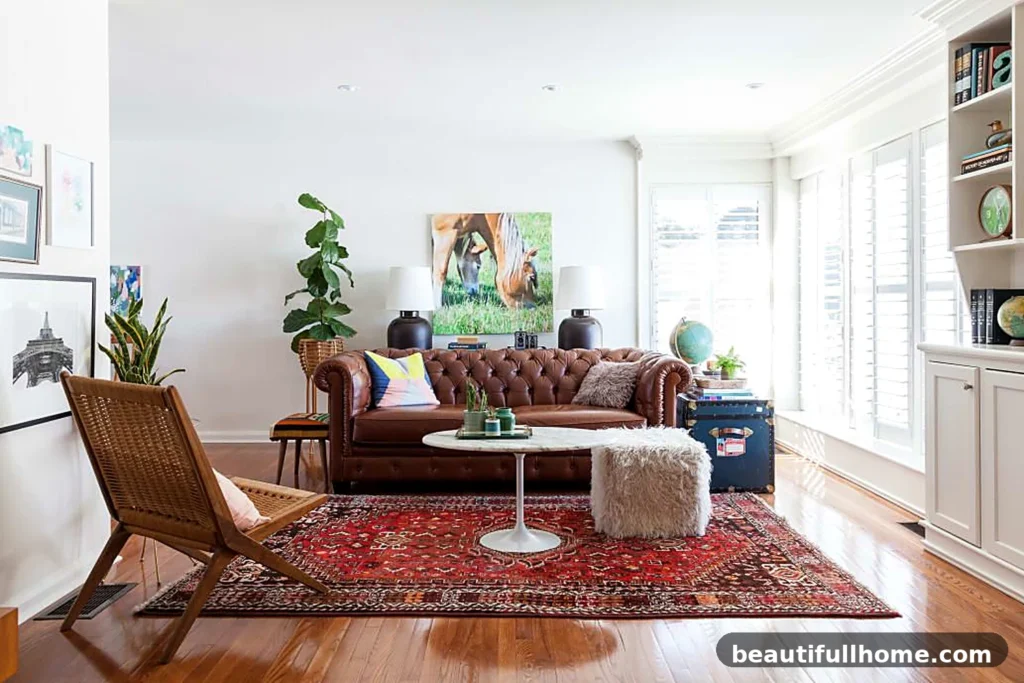
The best area rug size for a living room depends on your room dimensions, sofa size, and furniture arrangement. A 5 x 8 ft rug often works for small rooms, an 8 x 10 ft rug suits medium spaces, and a 9 x 12 ft rug works well in larger living rooms. Choose a size that connects your seating furniture without making the room feel crowded.
What Size Area Rug Should I Get for My Living Room?
Choosing an area rug starts with understanding your available floor space. The right size should complement your furniture and create a comfortable seating arrangement.
A rug that is too small can make furniture look disconnected. An oversized rug can also overwhelm a compact living room.
Here are common area rug sizes for different living room dimensions.
Living Room Area Rug Size Chart
| Living Room Size | Recommended Area Rug Size | Best For |
|---|---|---|
| Small (10 x 12 ft) | 5 x 8 ft | Compact apartments and small seating areas |
| Medium (12 x 16 ft) | 8 x 10 ft | Standard living rooms |
| Large (15 x 20 ft) | 9 x 12 ft | Spacious family living rooms |
| Extra Large (18 x 22 ft) | 10 x 14 ft | Open and oversized living spaces |
These measurements are starting points, not strict rules. Furniture dimensions and room layouts can change the best choice.
For example, a 12 x 16 ft room with a large sectional may need a 9 x 12 ft rug. A similar room with a smaller sofa may look better with an 8 x 10 ft option.

What Size Area Rug Works for Different Sofa Sizes?
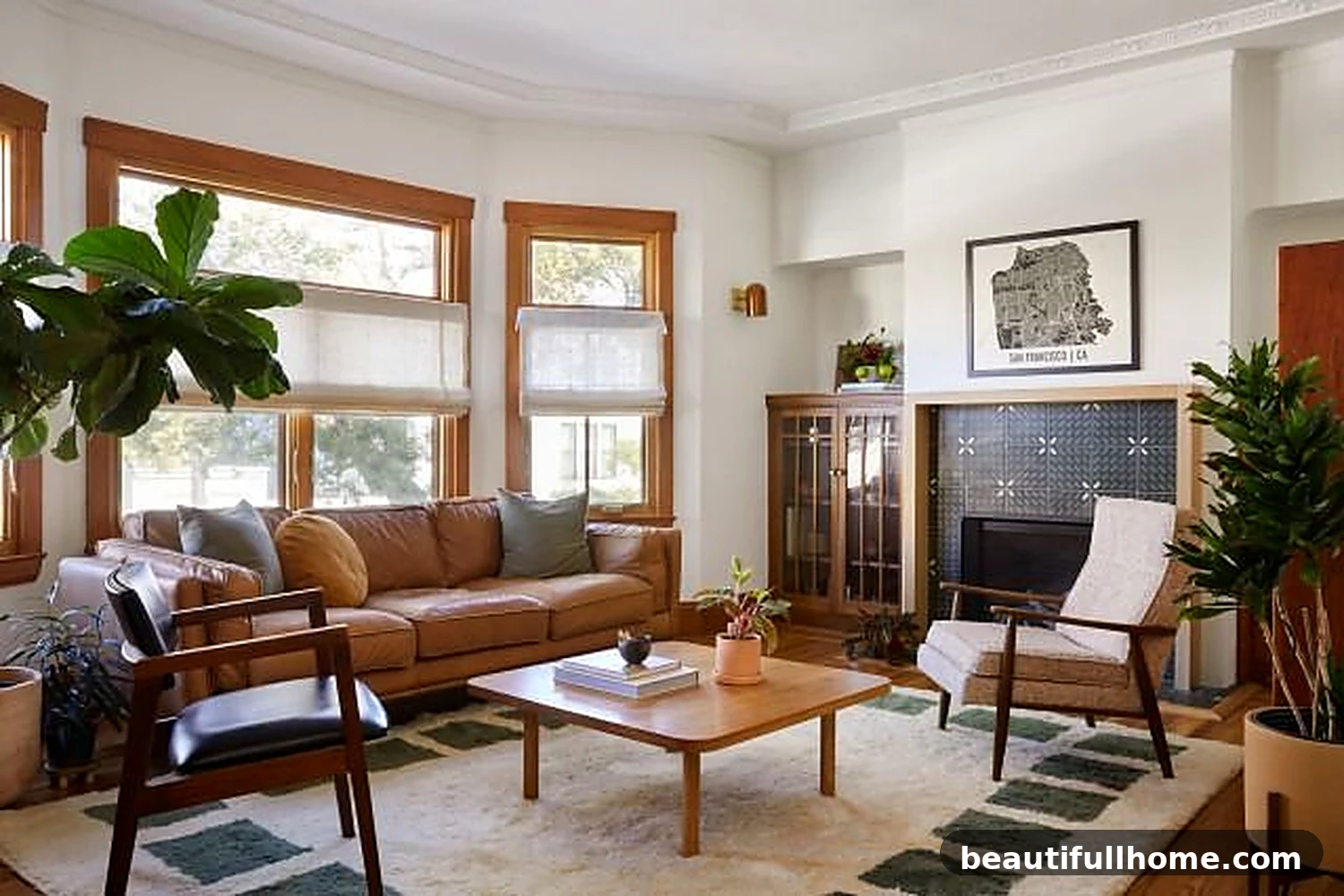
Your sofa is one of the most important pieces of furniture to consider.
The rug should look proportional to the seating arrangement. It should also provide enough space for people to sit comfortably without stepping onto a narrow strip of flooring.
| Sofa Type | Suggested Area Rug Size |
|---|---|
| Small loveseat (48-60 inches) | 5 x 8 ft |
| Standard 3-seat sofa (72-90 inches) | 8 x 10 ft |
| Large 3-seat sofa (90-100 inches) | 8 x 10 ft or 9 x 12 ft |
| Small sectional (90-110 inches) | 8 x 10 ft |
| Large sectional (110-130 inches) | 9 x 12 ft |
| Oversized sectional (130+ inches) | 10 x 14 ft |
Always consider the complete seating arrangement rather than the sofa alone.
A large coffee table, accent chairs, and side tables may require additional rug coverage.
How Big Should an Area Rug Be Under a Sofa?
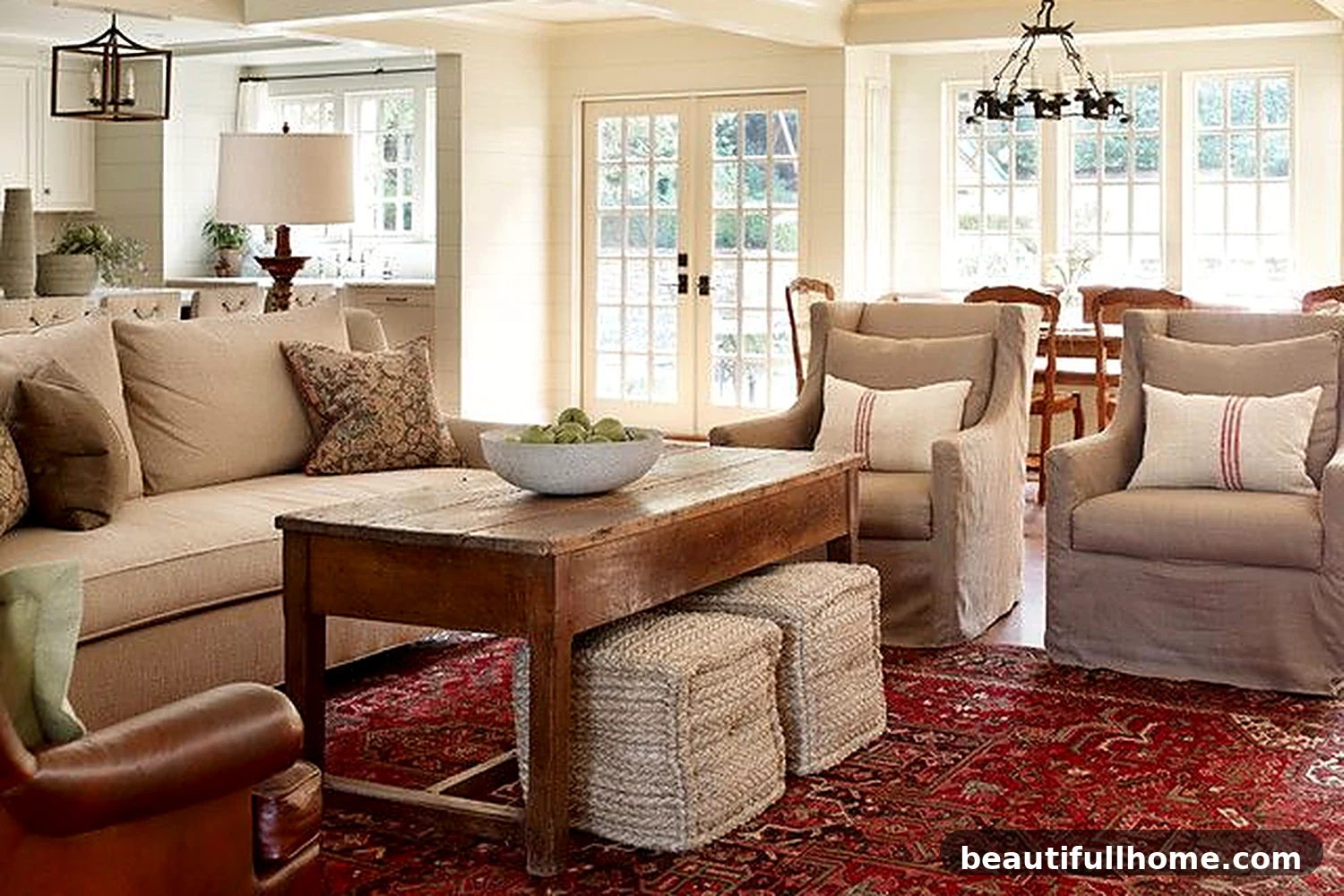
An area rug should look balanced beneath your sofa. It should not appear like a small decorative mat placed in front of a large furniture piece.
For most living rooms, the rug should extend approximately 6-18 inches beyond the sofa sides.
This creates a more connected appearance between the sofa and surrounding furniture.
Consider these examples:
- A 72-inch sofa can work with a rug that extends approximately 6-12 inches on each side.
- A 90-inch sofa generally looks balanced with a larger 8 x 10 ft rug.
- A 110-inch sectional may need a 9 x 12 ft rug to support the complete seating area.
These are visual planning guidelines rather than fixed measurements.
Also consider the sofa's depth. A deep sofa may need a larger rug to maintain balanced proportions.

Should an Area Rug Go Under the Sofa Legs?
Yes, placing an area rug under at least the front legs of your sofa is a popular arrangement.
It visually connects the sofa with the rest of the seating area. This also helps prevent the rug from looking like a separate decoration.
There are three common placement options.
- Front Legs on the Rug: Place the front legs of your sofa on the rug while keeping the back legs on the bare floor. This arrangement works particularly well in medium-sized living rooms. It creates a connected seating area without requiring an oversized rug.
- All Sofa Legs on the Rug: Place the entire sofa on the area rug. This option works best in larger living rooms with 9 x 12 ft or 10 x 14 ft rugs. It creates a more complete furniture arrangement and gives the seating area a unified appearance.
- Sofa Completely Outside the Rug: Place the rug in front of the sofa without allowing its legs to touch the rug. This arrangement can work in very small spaces. However, it may make the seating area look less connected.
For a more balanced appearance, choose a rug large enough to accommodate at least the front legs of your main seating furniture.
How Much Bare Floor Should Be Around an Area Rug?
Leaving some visible flooring around an area rug helps maintain visual balance.
For many living rooms, leaving approximately 8-18 inches of bare floor between the rug and walls works well.
The exact amount depends on your room dimensions.
Consider these general guidelines:
- Small living rooms: Around 8-12 inches.
- Medium living rooms: Around 10-15 inches.
- Large living rooms: Around 12-18 inches.
These are flexible design guidelines.
If your living room has decorative hardwood flooring, leaving more visible floor can highlight its natural appearance.
In smaller apartments, a slightly narrower border may help accommodate furniture and walking paths.
Avoid placing a rug so close to the walls that it looks like wall-to-wall carpeting.
What Is the Difference Between an Area Rug and a Carpet?
An area rug and wall-to-wall carpet serve different purposes in a living room.
An area rug covers a selected portion of the floor. Wall-to-wall carpeting covers nearly the entire floor surface, usually from one wall to another.
Understanding this difference helps you choose the right flooring option for your home.
| Feature | Area Rug | Wall-to-Wall Carpet |
|---|---|---|
| Floor Coverage | Covers a specific area | Covers most or all of the room |
| Installation | Usually no permanent installation | Usually professionally installed |
| Flexibility | Easy to move or replace | Generally fixed in place |
| Design Options | Available in many shapes and patterns | Available in different colours and textures |
| Cleaning | Can often be cleaned separately | Requires whole-room cleaning |
| Room Definition | Helps create separate living zones | Creates a continuous flooring surface |
| Best For | Flexible layouts and defined seating areas | Full-room softness and continuous coverage |
When Should You Choose an Area Rug?
An area rug is a practical choice when you want to:
- Define a seating area without changing existing flooring.
- Add colour and texture to hardwood floors.
- Separate a living room from a dining area.
- Change your room's appearance without renovation.
- Protect selected sections of flooring from everyday wear.
When Is Wall-to-Wall Carpet Better?
Wall-to-wall carpeting may be a better option when you want consistent softness throughout the room.
It can also provide a continuous appearance in bedrooms and other spaces where full-floor coverage is preferred.
However, an area rug offers more flexibility. You can change its position, size, pattern, or colour whenever your interior design changes.
How Can an Area Rug Define a Living Room Zone?
An area rug does more than cover the floor. It can help organize an entire living room.
This becomes especially useful in open-plan homes where the kitchen, dining room, and living area share one large space.
A properly sized rug visually separates these activities without requiring walls or permanent partitions.
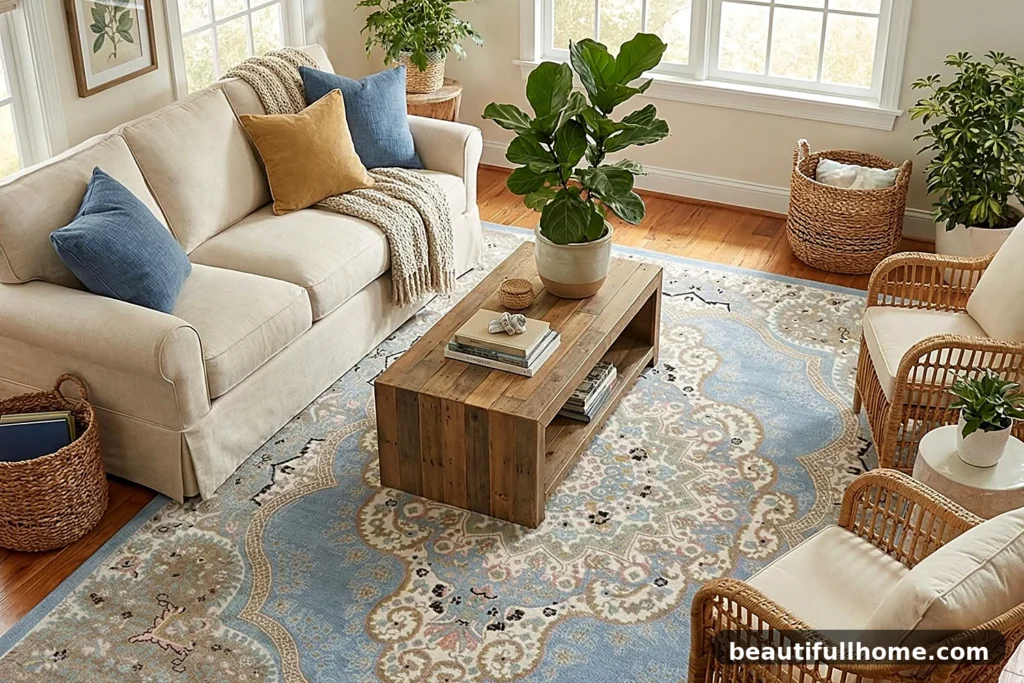
- Create a Separate Seating Area: Place an area rug beneath your sofa, coffee table, and accent chairs. This arrangement creates a clear boundary around the seating area.
- Separate the Living Room From the Dining Area: In an open-plan layout, use a living room rug to distinguish the sofa area from the dining table. Choose different rug designs or textures to make both spaces feel separate.
- Anchor Floating Furniture: If your sofa sits away from the walls, an area rug can visually connect the furniture. This prevents the seating arrangement from looking randomly placed in the middle of the room.
- Add Visual Balance: An area rug can balance furniture with different shapes and sizes. For example, a large rectangular rug can bring a sectional sofa, coffee table, and two accent chairs together.
- Add Warmth Without Covering the Entire Floor: An area rug creates a comfortable surface beneath your feet while allowing hardwood, laminate, or tile flooring to remain visible. This combination works particularly well in modern and contemporary interiors.
When Should You Size Up or Size Down an Area Rug?
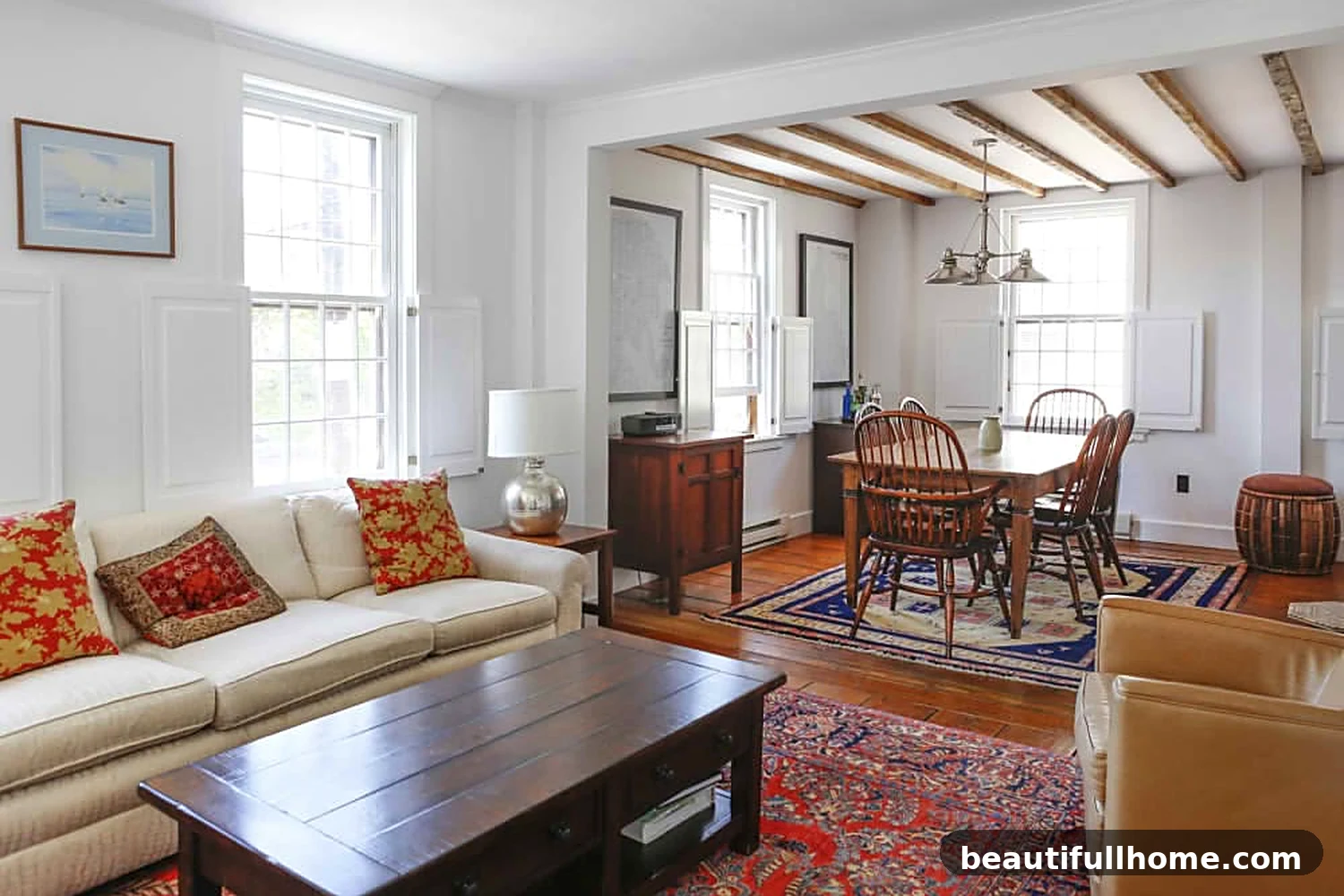
Choosing between two rug sizes can be difficult. The smaller option may fit the available floor space, while the larger option may create a more complete furniture arrangement.
Understanding when to size up or down helps you make a better decision.
When Should You Size Up?
Consider a larger area rug when:
- Your sofa and accent chairs look disconnected.
- The coffee table sits too close to the rug's edges.
- The rug looks unusually small beneath your furniture.
- Your living room has an open-plan layout.
- You want all seating furniture to sit on the same surface.
- Your room has enough bare floor space for a larger rug.
For example, if both 8 x 10 ft and 9 x 12 ft rugs could fit your living room, the larger option may create a more unified arrangement.
When in doubt, size up.
This is a useful rule when the larger rug fits comfortably without blocking doors, walkways, or other furniture.
When Should You Size Down?
A smaller rug may be more appropriate when:
- Your living room is compact.
- A larger rug would interfere with door openings.
- Your furniture arrangement leaves limited floor space.
- You want more visible flooring around the seating area.
- The larger option would extend into another functional zone.
For example, a 5 x 8 ft rug may be more practical than an 8 x 10 ft rug in a small apartment living room.
The goal is to maintain comfortable movement and visual balance.
What Size Area Rug Works Best for Sectional Sofas?
Sectional sofas often require larger rugs because they cover more floor space than standard sofas.
Their L-shaped or U-shaped designs also create different placement requirements.
For most sectional arrangements, an 8 x 10 ft or 9 x 12 ft rug is a useful starting point.
Area Rug Placement for L-Shaped Sectionals
An L-shaped sectional usually works well with a rectangular area rug.
Position the rug beneath the front legs of both sofa sections. Place the coffee table near the centre of the rug.
A 9 x 12 ft rug may work particularly well with larger L-shaped sectionals.
Area Rug Placement for U-Shaped Sectionals
U-shaped sectionals need more floor coverage because seating extends around three sides.
Choose a rug that fills the central seating area without interfering with walking space.
A 9 x 12 ft or 10 x 14 ft rug may work depending on the sectional's dimensions.
Should the Entire Sectional Sit on the Rug?
Not necessarily.
The front legs of the sectional can sit on the rug while the back legs remain on the floor.
However, placing all sectional legs on the rug can create a more unified appearance when the room has enough space.
Always check the rug's width and depth against the sectional's complete dimensions.

Should I Choose a Round or Rectangular Area Rug?
The shape of your area rug can change how your living room looks.
Rectangular rugs are the most common choice for traditional sofa arrangements. Round rugs can work particularly well with circular furniture and smaller seating areas.
Rectangular Area Rugs
Rectangular rugs are suitable for:
- Standard three-seat sofas.
- L-shaped sectional sofas.
- Large living rooms.
- Traditional seating arrangements.
- Open-plan living spaces.
Common rectangular sizes include 5 x 8 ft, 8 x 10 ft, 9 x 12 ft, and 10 x 14 ft.
They provide a practical foundation for sofas and coffee tables.
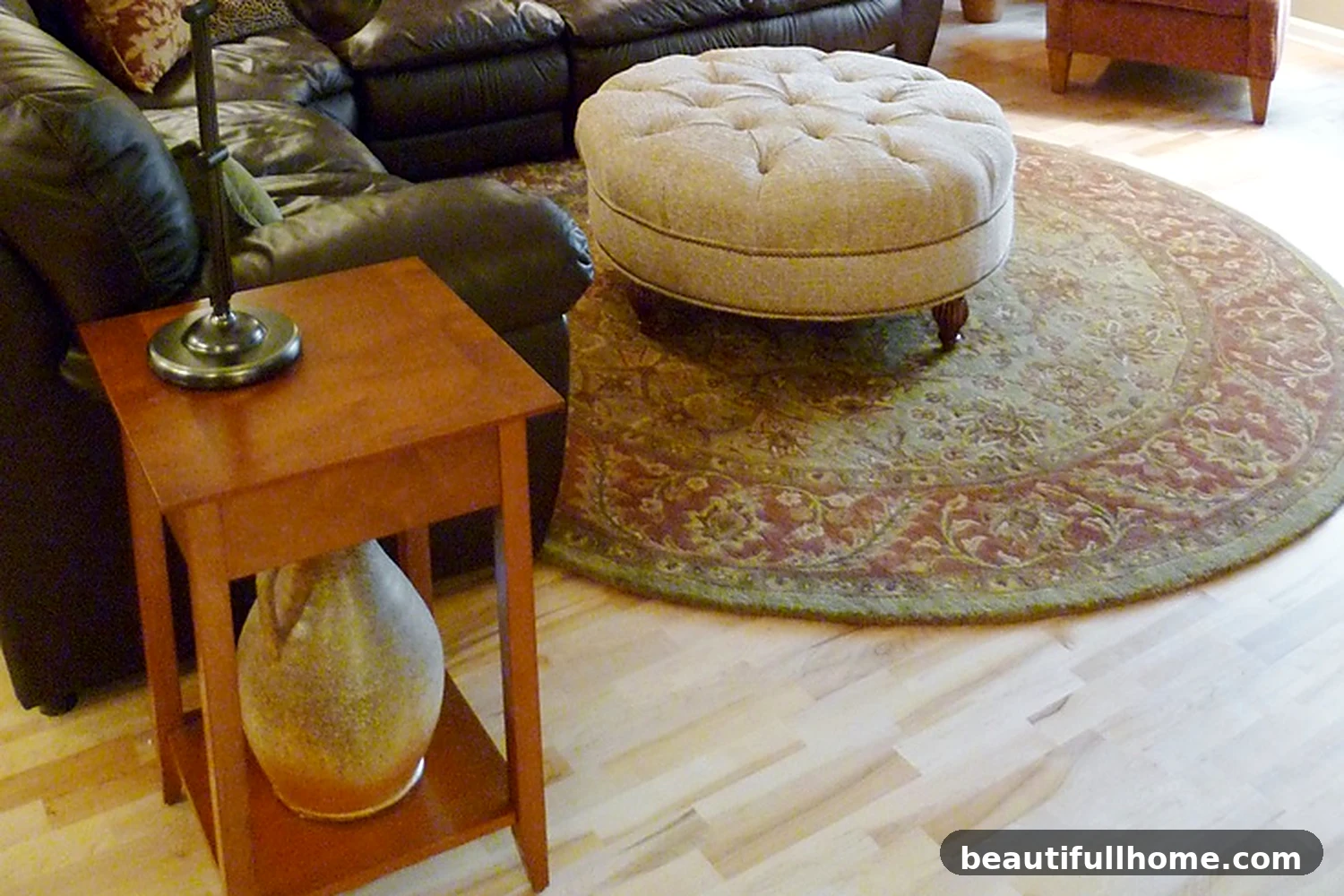
Round Area Rugs
Round rugs can soften rooms with many straight lines and rectangular furniture pieces.
They work well with:
- Small conversation areas.
- Circular coffee tables.
- Curved sofas.
- Reading corners.
- Compact apartment layouts.
Common round rug sizes include 5 ft, 6 ft, 8 ft, and 10 ft in diameter.
A round rug can also create a separate seating zone in an open-plan living room.
Which Shape Should You Choose?
Choose a rectangular rug for a traditional sofa arrangement or a large sectional.
Choose a round rug when you want a softer visual appearance or need to define a smaller seating area.
Your furniture arrangement should guide the final decision.
What Rug Thickness or Pile Height Is Best for a Living Room?
Rug thickness affects comfort, appearance, furniture stability, and cleaning requirements.
The best pile height depends on how frequently you use your living room and what type of furniture sits on the rug.
Here are common pile-height categories.
| Rug Type | Approximate Pile Height | Best Use |
|---|---|---|
| Flatweave | 0-0.25 inches | High-traffic living rooms |
| Low Pile | 0.25-0.5 inches | Everyday family spaces |
| Medium Pile | 0.5-0.75 inches | Comfortable seating areas |
| High Pile | 0.75-1.5 inches | Cozy, low-traffic spaces |
| Shag | 1.5 inches or more | Decorative and relaxed interiors |
Low-Pile Rugs
Low-pile rugs are easier to vacuum and generally work well beneath sofas and coffee tables.
They are particularly useful in busy households.
Medium-Pile Rugs
Medium-pile rugs provide a comfortable surface without creating too much height.
They offer a good balance between softness and everyday practicality.
High-Pile and Shag Rugs
High-pile rugs feel softer underfoot and create a cozy appearance.
However, they can collect more dust and debris. Furniture may also sit less evenly on their surface.
For most everyday living rooms, a low or medium-pile area rug is a practical choice.
How Much Does a Living Room Area Rug Cost in the US?
Area rug prices vary based on size, material, construction, and design.
A small synthetic rug generally costs less than a large wool or handmade rug.
The following table provides broad US retail planning ranges for common living room rug sizes.
| Rug Size | Typical US Price Range |
|---|---|
| 5 x 8 ft | $50-$350 |
| 6 x 9 ft | $80-$500 |
| 8 x 10 ft | $120-$900 |
| 9 x 12 ft | $200-$1,500 |
| 10 x 14 ft | $300-$2,000+ |
These ranges cover different product qualities and materials. Premium handmade rugs can cost considerably more.
What Affects Area Rug Prices?
Several factors influence the final price.
- Material: Synthetic materials such as polypropylene and polyester are often more affordable. Wool, cotton, and natural fibres may cost more depending on quality and construction.
- Size: Larger rugs generally require more material and manufacturing work. As a result, a 9 x 12 ft rug usually costs more than a 5 x 8 ft option.
- Construction: Machine-made rugs are generally more affordable than handmade or hand-knotted rugs.
- Design and Pattern: Detailed patterns, special dyes, and premium finishes can increase manufacturing costs.
- Durability: Higher-quality materials and construction can increase the initial purchase price but may offer better long-term value.
What Are the Most Common Area Rug Sizing Mistakes?
Even a beautiful rug can look out of place when its size does not match the room.
Avoid these common mistakes when choosing an area rug for your living room.
- Choosing a Rug That Is Too Small: A small rug can make your seating arrangement look disconnected. Choose a size that supports the main furniture rather than covering only the coffee table area.
- Ignoring Sofa Dimensions: A rug should complement the sofa's width and depth. Always consider the complete seating arrangement before selecting a size.
- Covering Too Much Floor Space: An oversized rug can make a room feel crowded when there is little visible flooring around its edges. Leave enough room for comfortable movement and a balanced appearance.
- Choosing the Wrong Rug Shape: A round rug may not work well beneath a large rectangular sectional. Likewise, a rectangular rug may not create the desired appearance in a small circular seating arrangement. Match the rug shape with your furniture layout.
- Forgetting Door Clearance: Thick rugs can interfere with doors that open over the flooring. Check door clearance before purchasing a high-pile or thick area rug.
- Ignoring Furniture Placement: A rug should support the main seating arrangement. Placing furniture randomly around a rug can make the room feel visually unbalanced.
- Choosing Style Over Practicality: A beautiful shag rug may not be ideal for a busy family living room. Consider cleaning requirements, foot traffic, pets, and everyday use before choosing a material.
Frequently Asked Questions About Living Room Area Rug Sizes
1. Is a 5 x 8 ft Area Rug Big Enough for a Living Room?
A 5 x 8 ft rug can work well in a small living room or compact apartment. It is suitable for smaller sofas and limited seating arrangements. However, it may look too small beneath a large sectional.
2. Is an 8 x 10 ft Rug Good for a Living Room?
Yes, an 8 x 10 ft rug is a popular choice for medium-sized living rooms. It can accommodate a standard sofa, coffee table, and smaller accent furniture. It also works well with some smaller sectional arrangements.
3. Should an Area Rug Be Bigger Than the Coffee Table?
Generally, yes. An area rug should extend beyond the coffee table to create a balanced seating arrangement. It should also visually connect the surrounding sofa and chairs rather than covering only the table's footprint.
4. Can I Use an Area Rug in an Open-Plan Living Room?
Yes, area rugs work particularly well in open-plan living rooms. They help distinguish the seating area from dining and kitchen spaces. Choose a size that defines the living zone without extending unnecessarily into other functional areas.
5. What Is the Most Popular Area Rug Size for Living Rooms?
The 8 x 10 ft size is a common choice for medium-sized living rooms. However, 5 x 8 ft rugs suit smaller spaces, while 9 x 12 ft rugs often work better in larger rooms.
Conclusion
Choosing the right area rug size can make your living room feel more organised, comfortable, and visually balanced.
Start with your room dimensions and sofa size. Then consider furniture placement, available walking space, and the amount of flooring you want to leave visible.
For smaller rooms, a 5 x 8 ft rug can be a practical option. Medium living rooms often benefit from an 8 x 10 ft rug, while larger seating arrangements may need a 9 x 12 ft or 10 x 14 ft rug.
Remember, an area rug should connect your furniture and define your living space. When two sizes both fit comfortably, choosing the larger option often creates a more complete look.
If you are exploring more ways to improve your space, read our guides, What Size Rug for Living Room and Small Living Room Ideas With TV. Both can help you make better decisions about furniture placement, room proportions, and interior design.
Cost note: Prices are broad US planning estimates and may vary by retailer, material, construction, and rug quality.