Small Living Room Lighting Ideas: 12 Bright Ideas
Small living room lighting works in layers, not one bulb: one ceiling light or 2-3 recessed cans for ambient light, one floor or table lamp for reading, and one accent like an LED strip or a picture light. A 12×14 ft room needs about 1,700-3,400 lumens in total, roughly 3-4 standard 800-lumen bulbs, all at 2700-3000K warm white. A three-layer plan costs about $300, and a strips-and-one-lamp refresh costs under $100.
What good lighting means in a small room
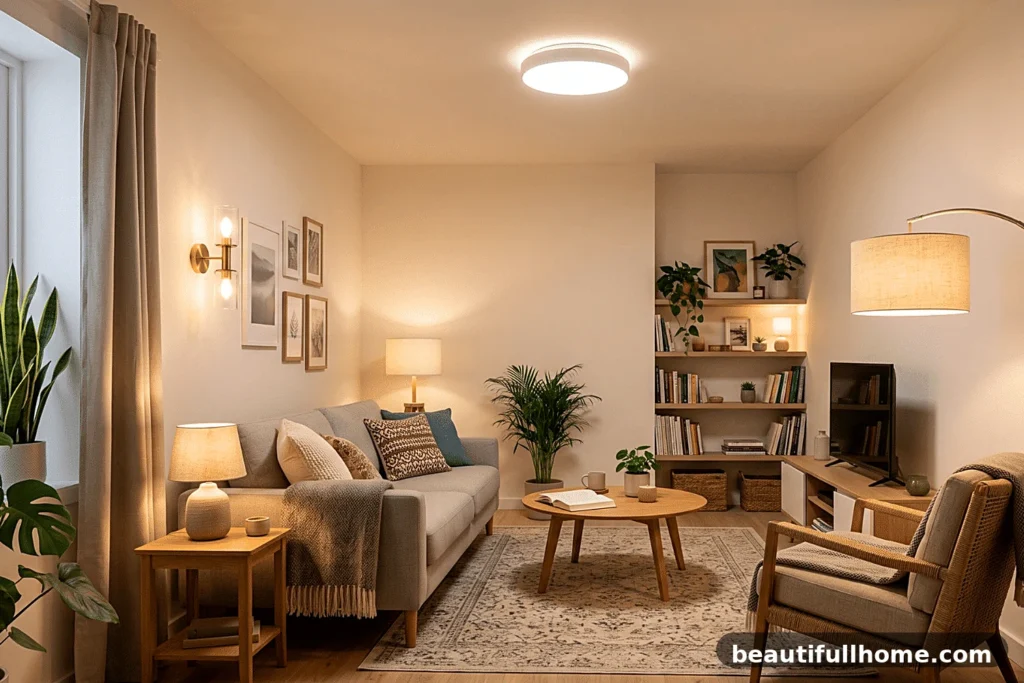
Good lighting in a small room is three layers, and every layer has a job. Ambient light is the general light that fills the room, usually one ceiling light or a few recessed cans. Task light is the light you read or work by, usually a floor lamp or a table lamp beside the sofa. Accent light is the light that makes the room feel finished, an LED strip behind the TV, a picture light over the art, or a strip under a shelf. One bare overhead bulb gives you one layer only, and it throws hard shadows in the corners, which is why so many small rooms feel dark even with the light on.
Count the sources, not the watts. A small room needs 3-5 light sources, spread around the room at different heights, so no corner stays dark and no single bulb has to do all the work. Put one source low (a table lamp), one at eye level (a sconce or a floor lamp shade) and one high (the ceiling light), and the room reads as bigger than it is. Keep every bulb the same colour temperature, 2700-3000K warm white, because mixed temperatures look wrong in a small room where all the lights sit close together. Prices are typical US retail ranges for 2026, so check current prices before you buy.
Small living room lighting ideas: pick by your room
Small living room lighting ideas start with the room you have, not the catalog photo. A room with ceilings under 8 ft needs a flush mount or recessed cans, because a pendant hangs too low and blocks the view. A room with no ceiling light at all needs floor lamps, plug-in sconces and table lamps, because there is nothing overhead to start from. A dark room with one small window needs an uplight that bounces light off the ceiling, plus warm white walls that reflect what light there is. A rental room needs plug-in and battery light, with no wiring and no holes in the wall. A room built around the TV needs a bias light behind the screen and a dimmer, so the screen never glares. A reading corner needs one task lamp at the right height, not a brighter ceiling bulb. The 12 ideas below cover all of these rooms, and the chooser at the end maps each situation to the ideas that fit it.
1. Flush or semi-flush ceiling light: the one overhead that fits
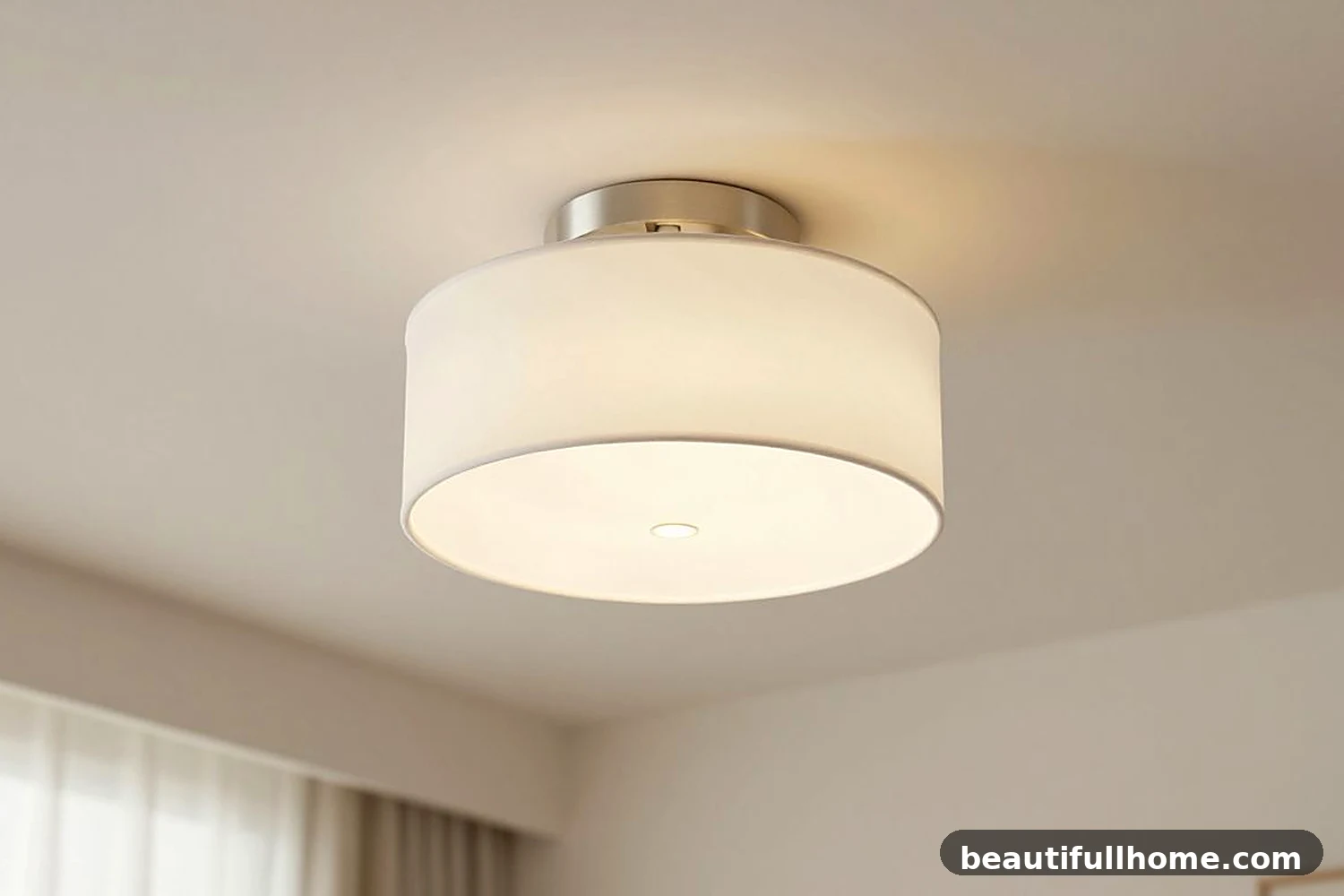
A flush mount is the ceiling light made for a small room, because it sits flat against the ceiling and takes no headroom at all. A semi-flush mount drops a few inches and suits rooms with ceilings 8 ft and higher, where the extra drop reads as a fixture instead of a lump. Pick a diameter of about 12-18 in for a 12×14 ft room, and a shade that diffuses the light, so the bulb never shows as a bare point. One fixture at 800-1,600 lumens covers the ambient layer on its own, and a dimmable one lets the same fixture run bright for cleaning and low for the evening.
Cost: $40-$120 for the fixture. Watch out: a big chandelier in a small room eats headroom and blocks the view across the room, so keep the fixture flat and the diameter modest. Paint the walls a warm white like the shades in our Small Living Room Paint Ideas: 12 Colors That Work guide, and the same bulb feels brighter, because light walls bounce the light instead of swallowing it.
2. Recessed downlights: 2-3 cans, no central fixture
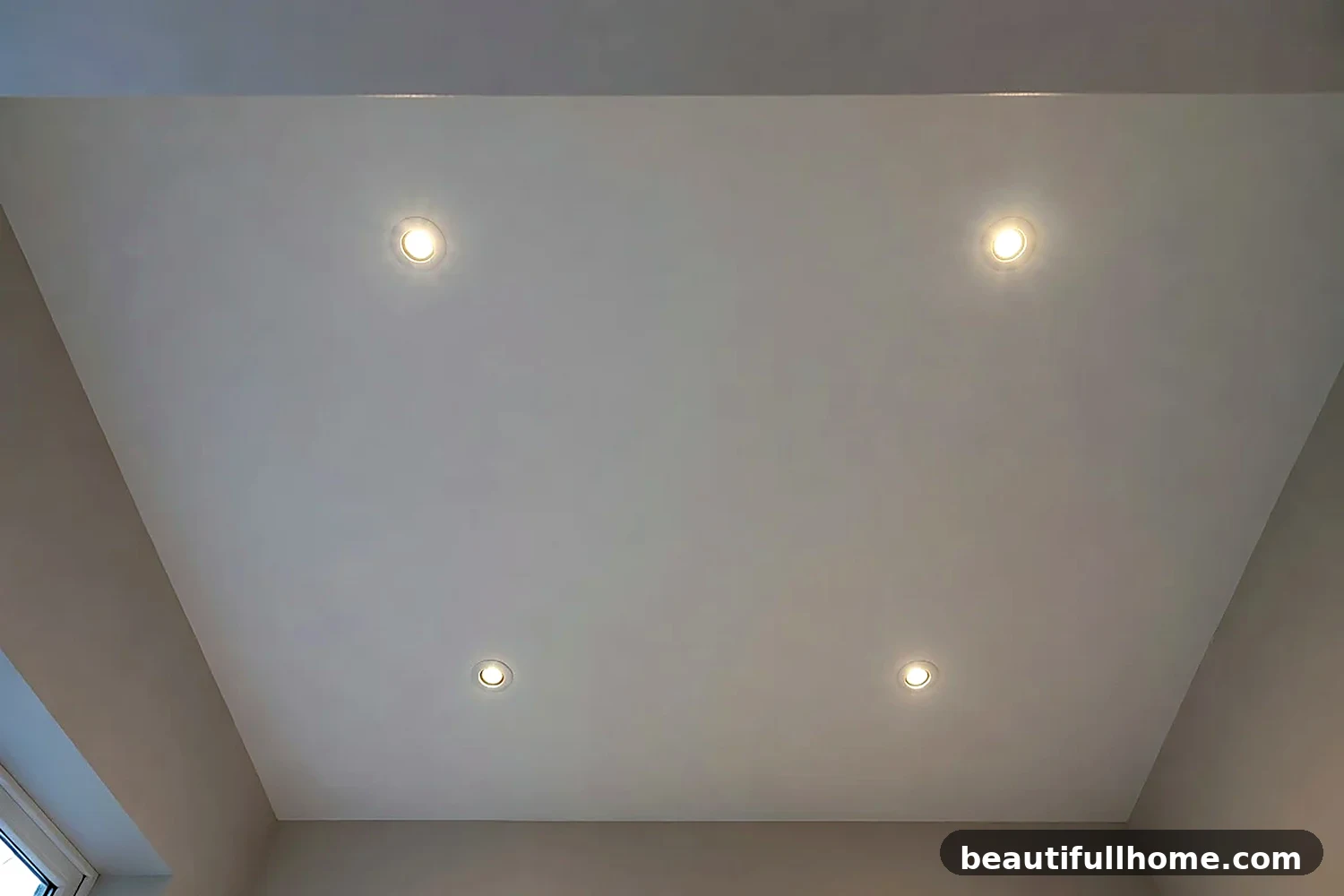
Recessed downlights are the ceiling option when one central fixture leaves dark corners, because 2-3 small cans spread the light evenly across the room instead of pooling it in the middle. Use 4-6 in cans, spaced 4-6 ft apart in a line or a triangle, each at 800 lumens and 2700-3000K, all on one dimmer. Two cans suit a 10×12 ft room, three suit a 12×14 ft room, and each can costs $30-$60 for the fixture.
Cost: $30-$60 per fixture, plus install if the ceiling has no wiring. Watch out: too many cans turn the ceiling into a runway, so 2-3 is the whole idea in a small room, and every can needs the same Kelvin or the room looks patched together.
3. Statement pendant over the coffee table: one feature light
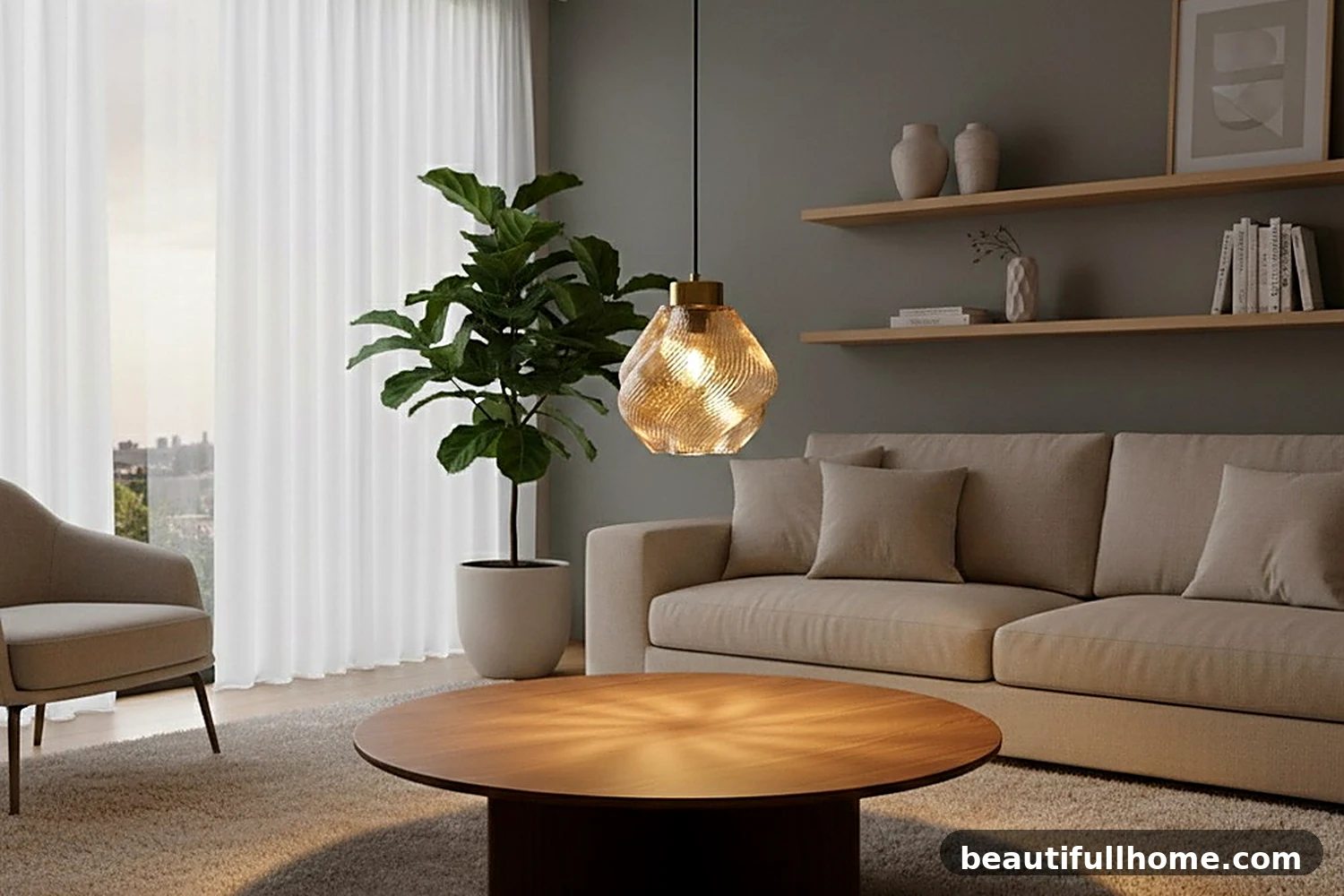
A statement pendant is the one feature light a small room can carry, and it works when it hangs over the coffee table, not in the middle of the room. Pick a diameter about half to two-thirds of the table width, so a 42 in table takes a 21-28 in pendant, and hang it so the bottom sits at 7 ft from the floor, never lower. One warm bulb at 800 lumens is enough, because the pendant is the accent, not the room's only light. In an open-plan room, one pendant over the coffee table and one over the dining table marks the two zones without a wall, and the table sizes that go with it are in our Very Small Living and Dining Room Ideas: 12 Layouts guide.
Cost: $60-$250. Watch out: a pendant hung below 7 ft blocks the view across the room and hits tall guests, so measure the drop before you buy, and skip pendants entirely if the ceiling is under 8 ft.
4. Arc floor lamp over the sofa: light without a ceiling fixture
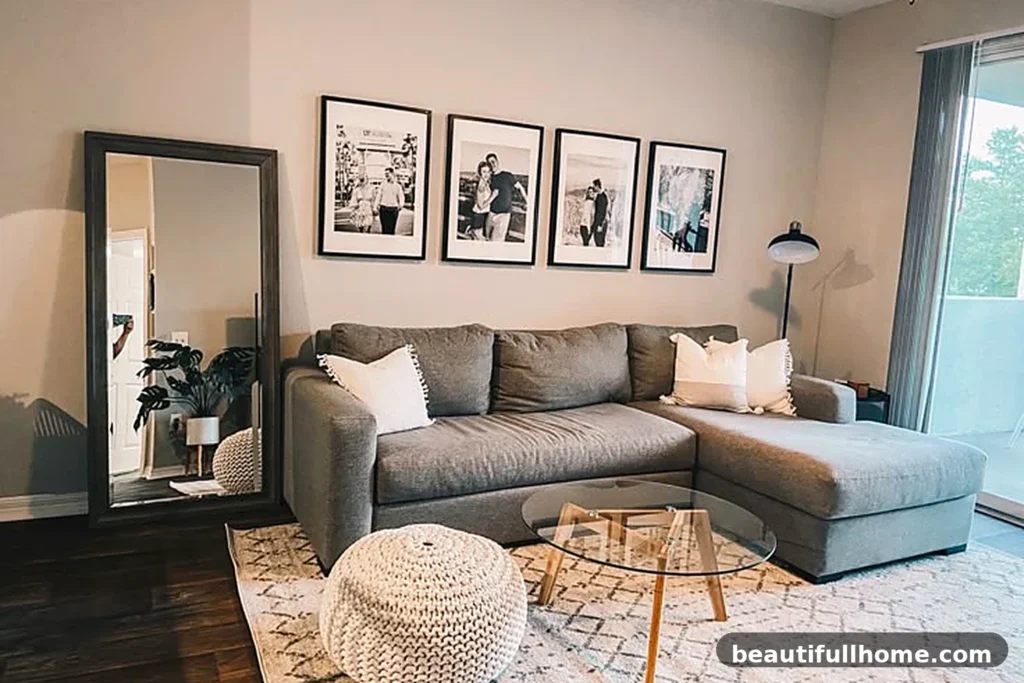
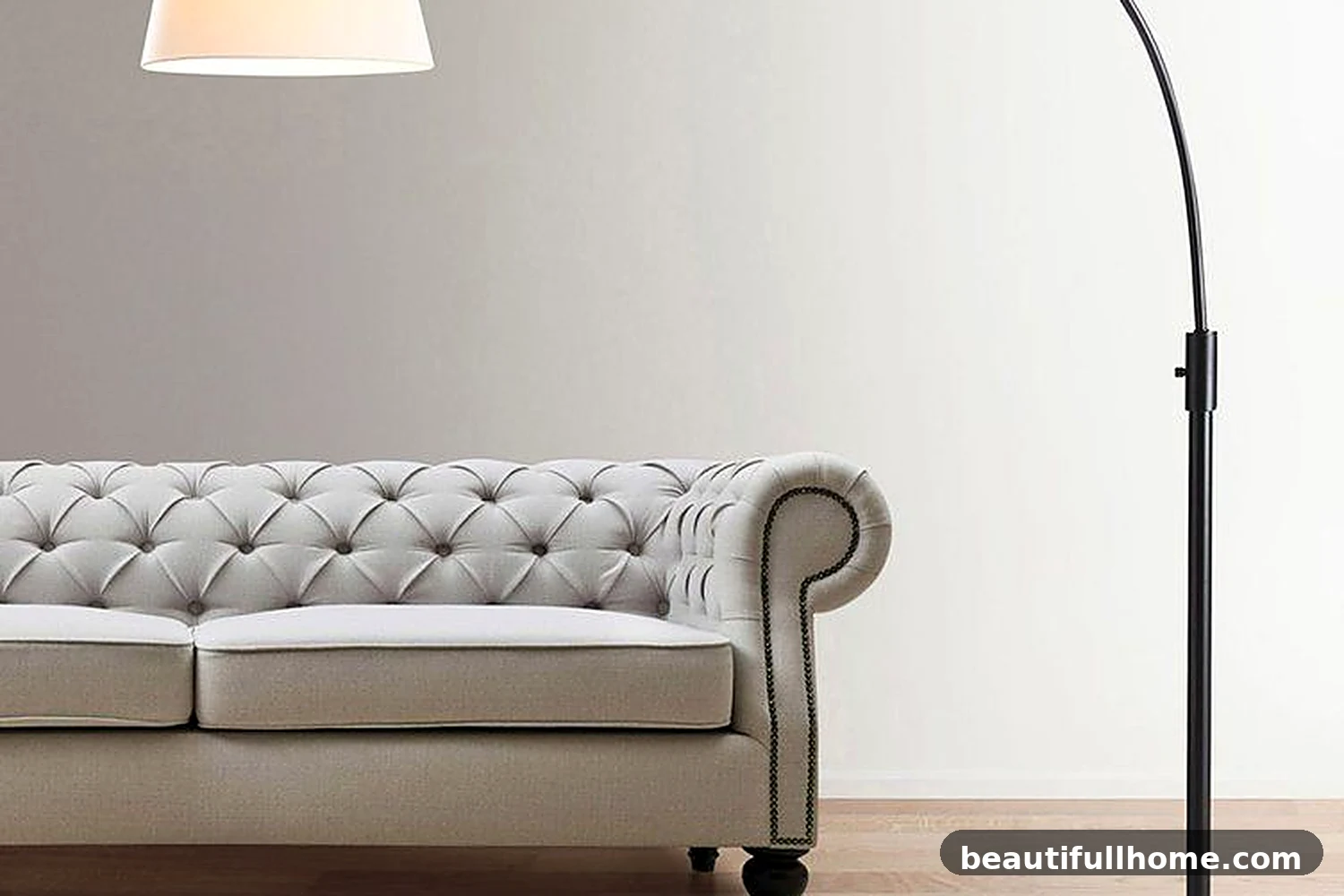
An arc floor lamp is the ceiling light for a room that has none, because its curved arm reaches over the sofa and puts the light where the ceiling fixture would have been. Buy one 70-85 in tall, with the base 8-12 in behind the sofa arm, so the shade hangs over the cushions and the light falls on the book, not on the floor. One dimmable bulb at 800 lumens covers the reading layer, and the lamp moves with you when the sofa moves. Place the sofa first, then the lamp, and the layout that goes with it is in our Small Living Room Layout: 7 Layouts With Measurements guide.
Cost: $80-$450. Watch out: a cheap arc lamp tips, so check the base weight before you buy, and keep the base out of the walkway, or every trip past the sofa becomes a collision.
5. Slim floor lamp in the dark corner: the uplight trick
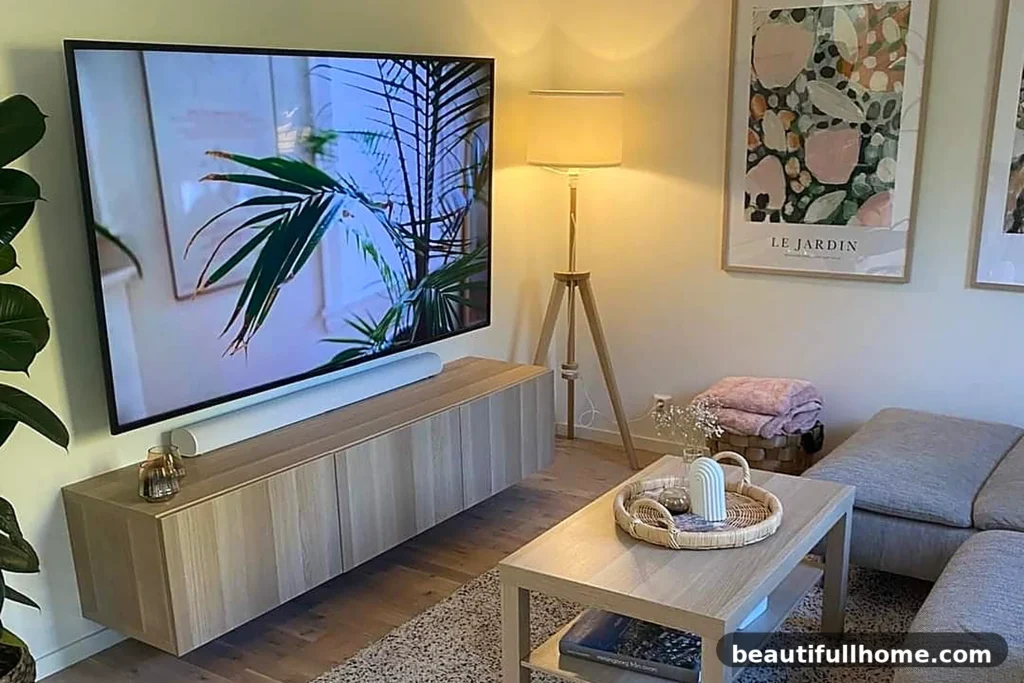
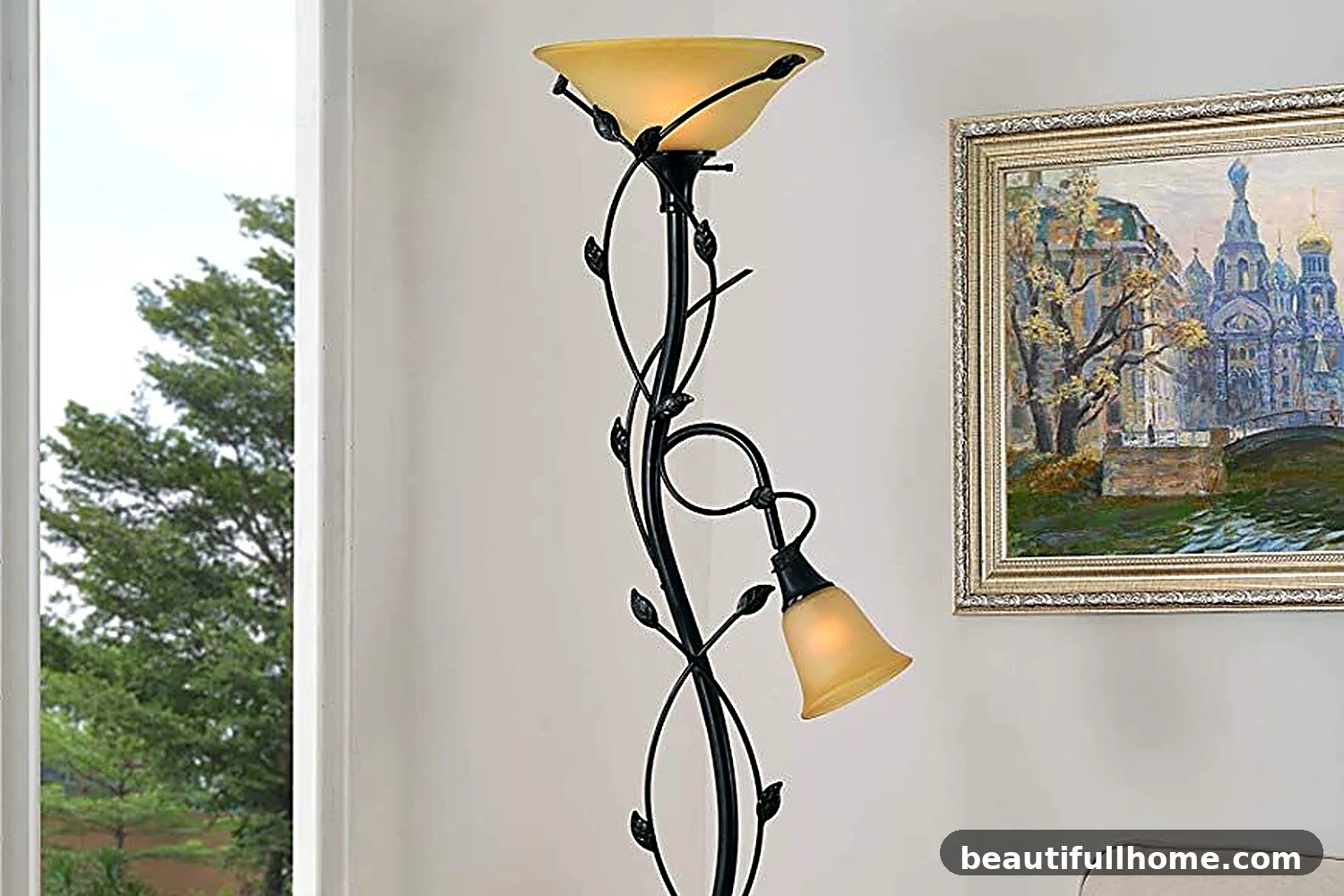
A slim floor lamp in the dark corner is the cheapest way to kill a dark corner, because a torchiere or uplight bounces its light off the ceiling and two walls at once, so one lamp lights three surfaces. Buy one 58-64 in tall, standing 2-4 in clear of the sofa arm, with the bulb hidden inside the shade or pointing up, at 800-1,100 lumens. It suits the corner by the sofa that never gets sun, and it suits rooms with low ceilings, because it needs no ceiling fixture at all.
Cost: $40-$90. Watch out: a bare bulb at eye level glares, so pick a shade or an uplight that hides the bulb, and keep the lamp slim, because a wide tripod base eats the floor space a small room cannot spare.
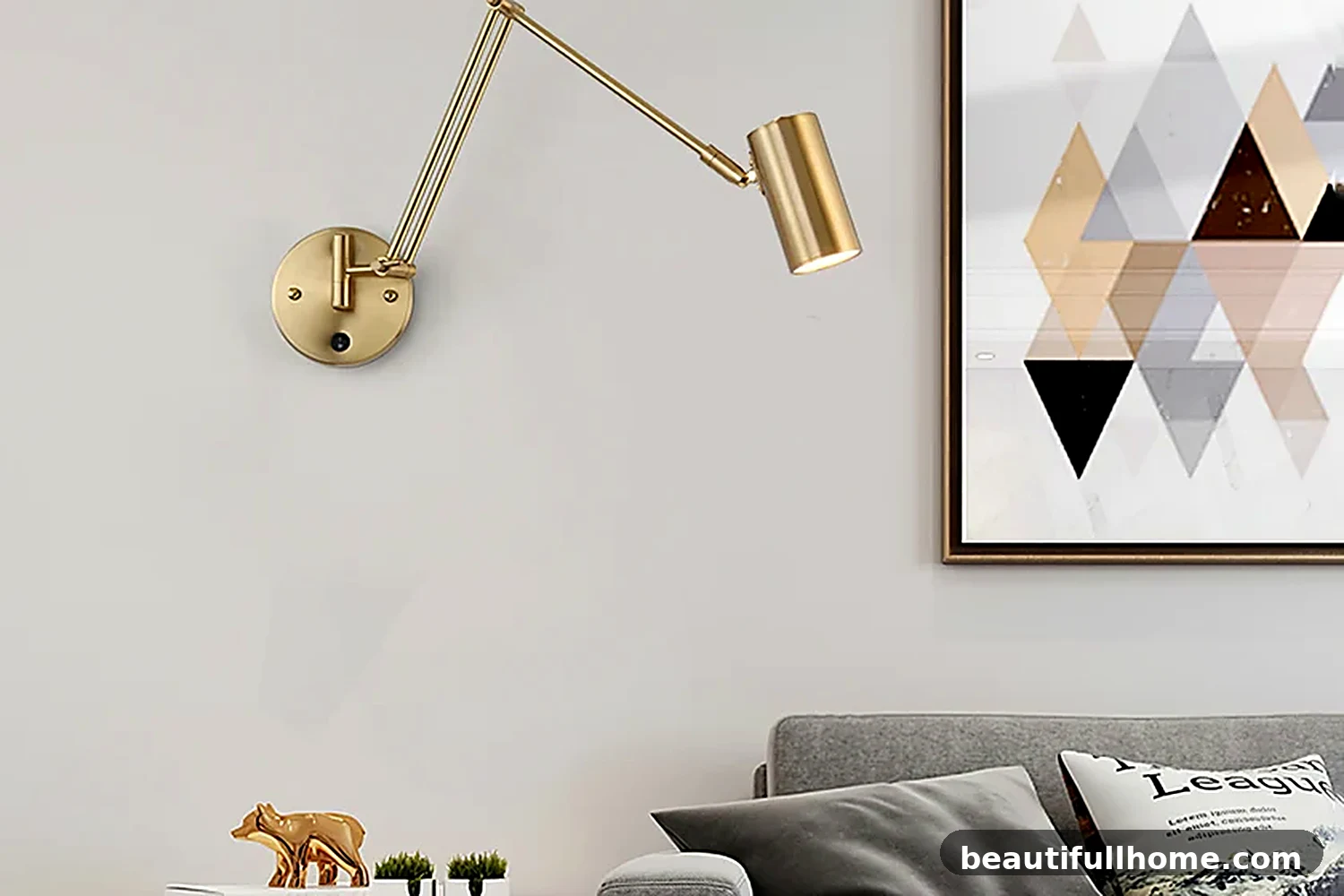
6. Plug-in swing-arm sconces beside the sofa: light at eye level
Plug-in swing-arm sconces are the wall light that needs no electrician, because they plug into a normal outlet and hang on two screws, with the cord running down the wall in a cover. Mount one on each side of the sofa, or one beside the reading chair, with the shade's lower edge 38-42 in from the floor, so the light sits at eye level when you sit down. A swing arm lets you pull the light toward the book and push it back when you are done, and the sconce frees the floor and the side table, which a floor lamp and a table lamp both take.
Cost: $25-$180 each. Watch out: one sconce alone leaves the other side of the sofa dark, so use a pair, or pair one sconce with a table lamp on the far side. If you rent, check the no-drill options in our Small Apartment Living Room Ideas: 15 Rental-Friendly Ways guide, which covers deposit-safe decorating for the whole room.
7. Table lamps on the side tables: the reading pair
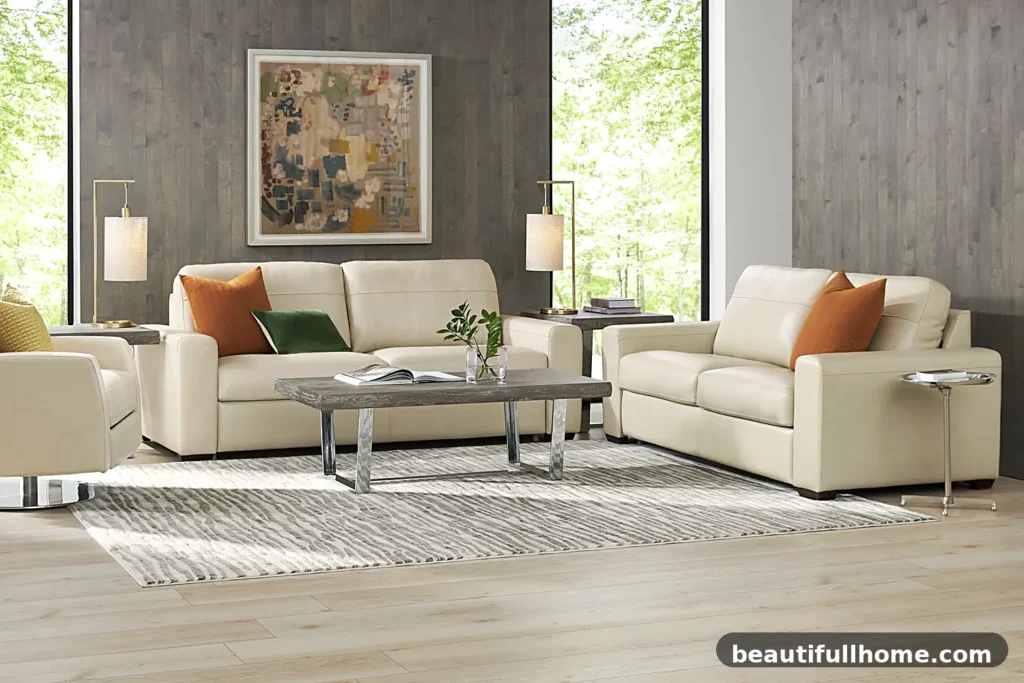
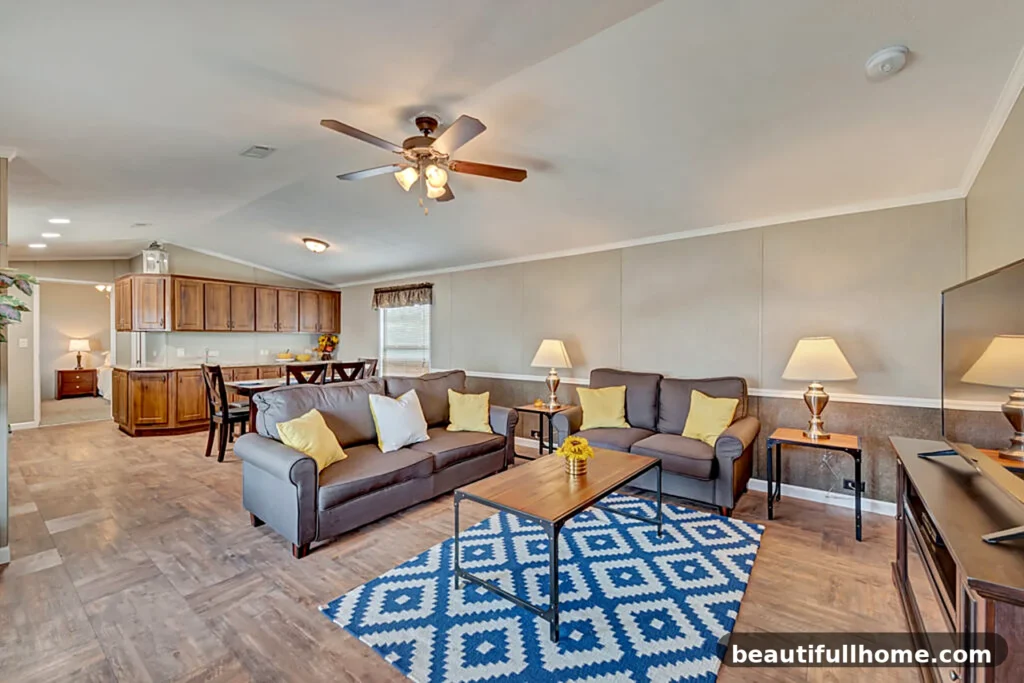
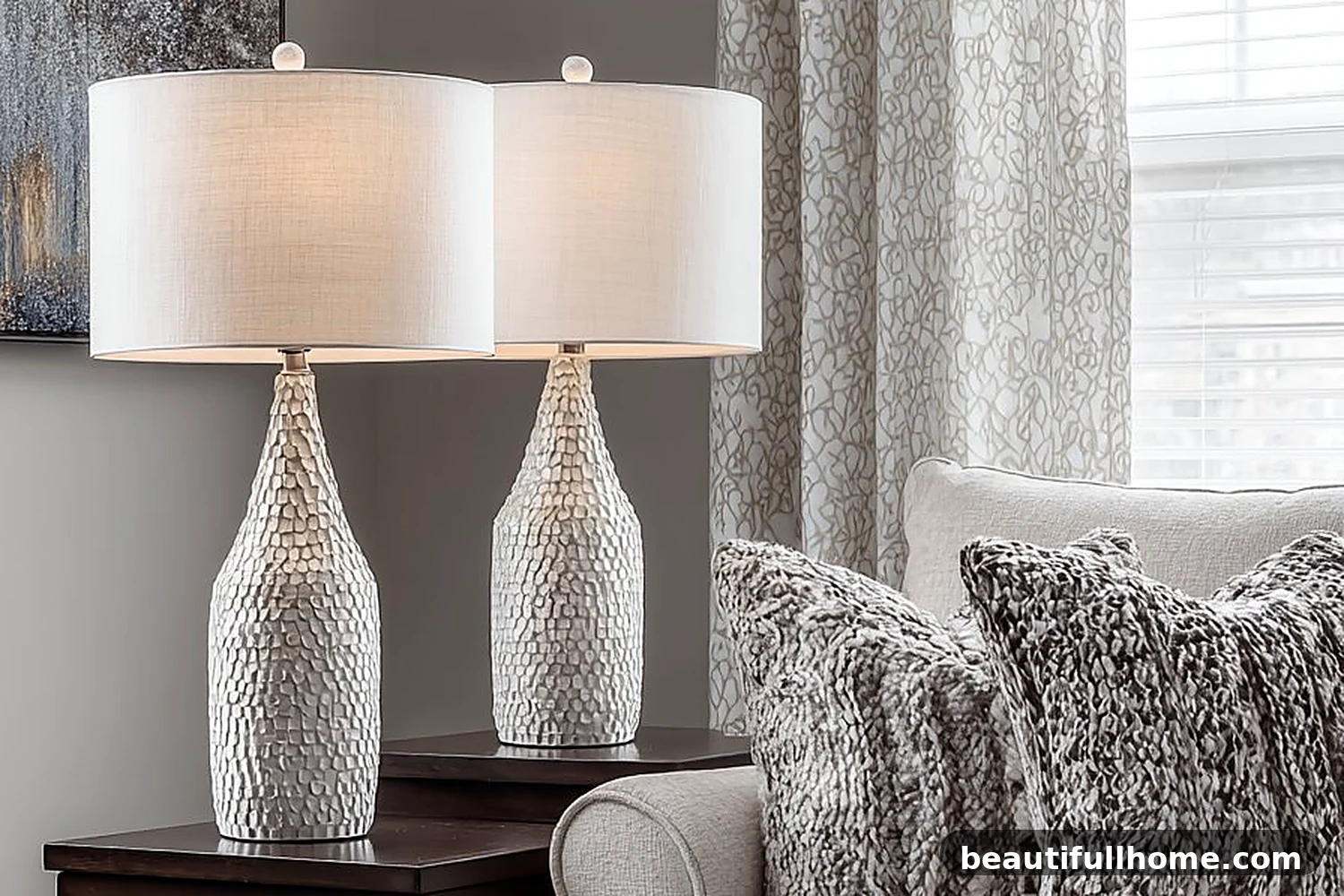
Table lamps are the reading light that also finishes the room, because a matched pair on the side tables frames the sofa and puts a warm pool of light at each end of it. Buy lamps 24-30 in tall, no more than 1.5 times the height of the table they sit on, with a shade no wider than the tabletop, so the lamp never looks top-heavy or lost. One bulb at 450-800 lumens per lamp is enough, at 2700-3000K, and a pair costs $50-$300.
Cost: $50-$300 a pair. Watch out: a lamp taller than the table looks top-heavy, a tiny lamp disappears against the sofa, and a cool white bulb in a table lamp makes the whole corner feel like an office, so keep the bulb warm.
8. LED strip behind the TV: the bias light
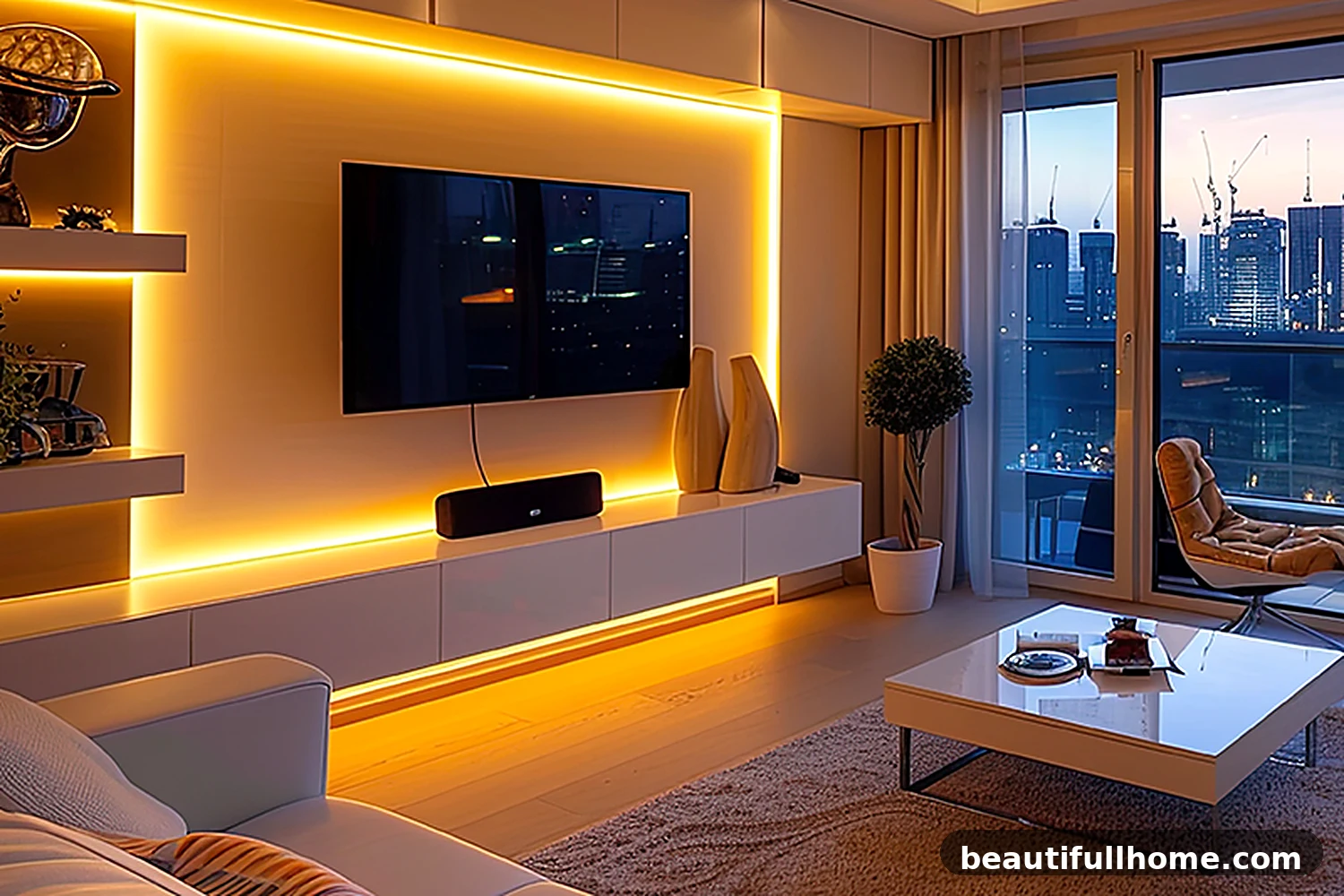
An LED strip behind the TV is a bias light, and it is the one lighting idea that makes watching TV easier on the eyes, because a soft glow behind the screen stops the room going pitch black around a bright picture, which cuts glare and eye strain. Stick a warm 2700K strip on the back of the TV, about two-thirds of the TV width, so the glow spills onto the wall without showing the strip itself. It costs $15-$40, it plugs into the TV's USB port on most sets, and it pairs with the TV size and viewing distance in our Small Living Room Ideas With TV: 12 Smart Layouts guide.
Cost: $15-$40. Watch out: a cool white strip behind the TV looks like screen glow and fights the picture, so keep it warm, and keep the strip off the wall itself, or the light pools in one bright line instead of a soft halo.
9. LED strips under shelves and behind the console: hidden ambient light
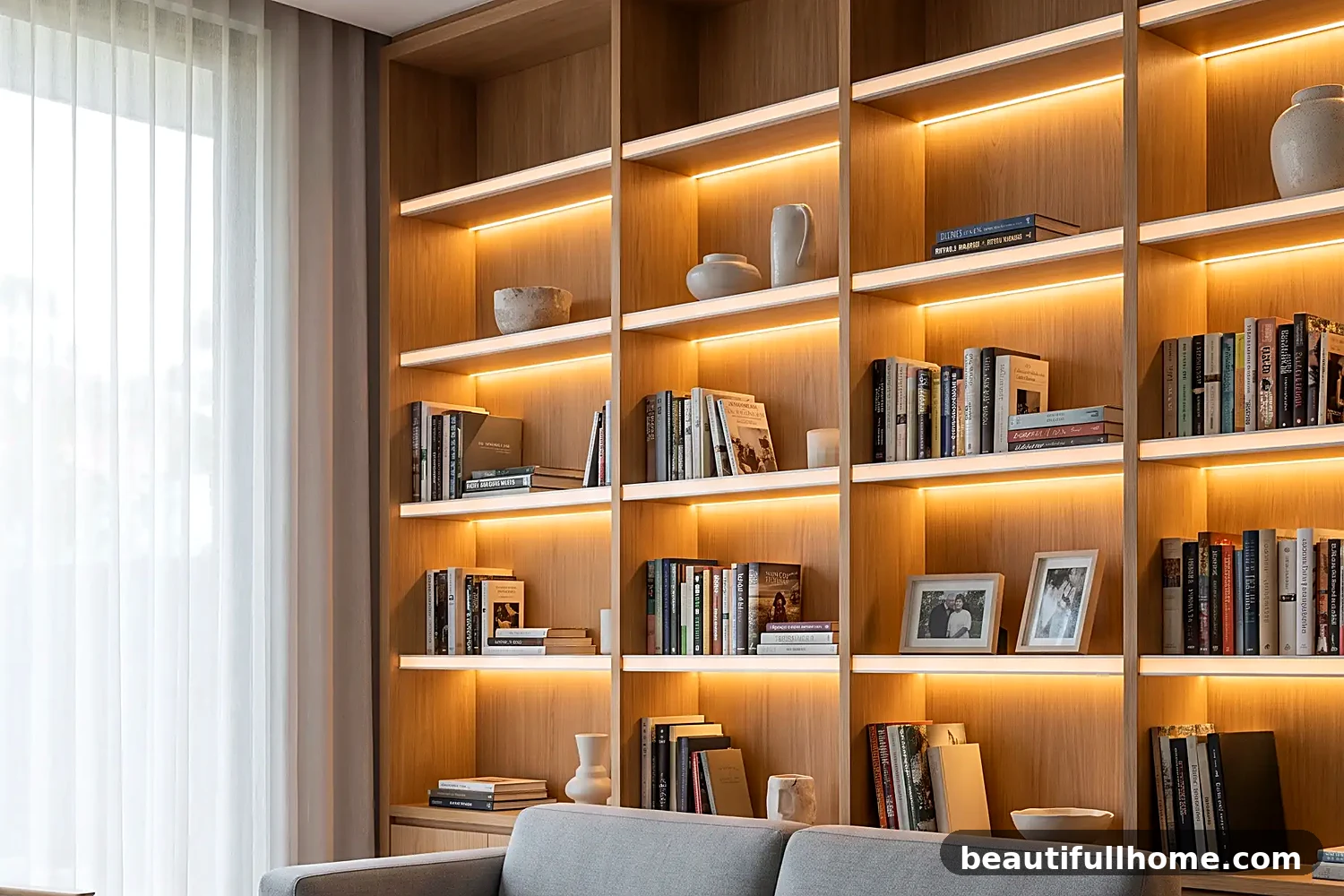
LED strips under shelves and behind the console are hidden ambient light, because they wash the wall with a warm glow without taking a single inch of floor or table space. Stick one strip under each shelf, behind the TV console, or along the back of a low bookcase, at 2700K, and the room gains a whole layer of light that no lamp could add. One strip costs $15-$30, it runs on adhesive and a plug, and it suits renters, because it peels off clean.
Cost: $15-$30 per strip. Watch out: visible dots of light look cheap, so pick a strip with a diffuser, or hide it behind the shelf lip, and keep every strip the same Kelvin, or the shelves glow in two different colours.
10. Picture light over the art: one accent that lifts the eye
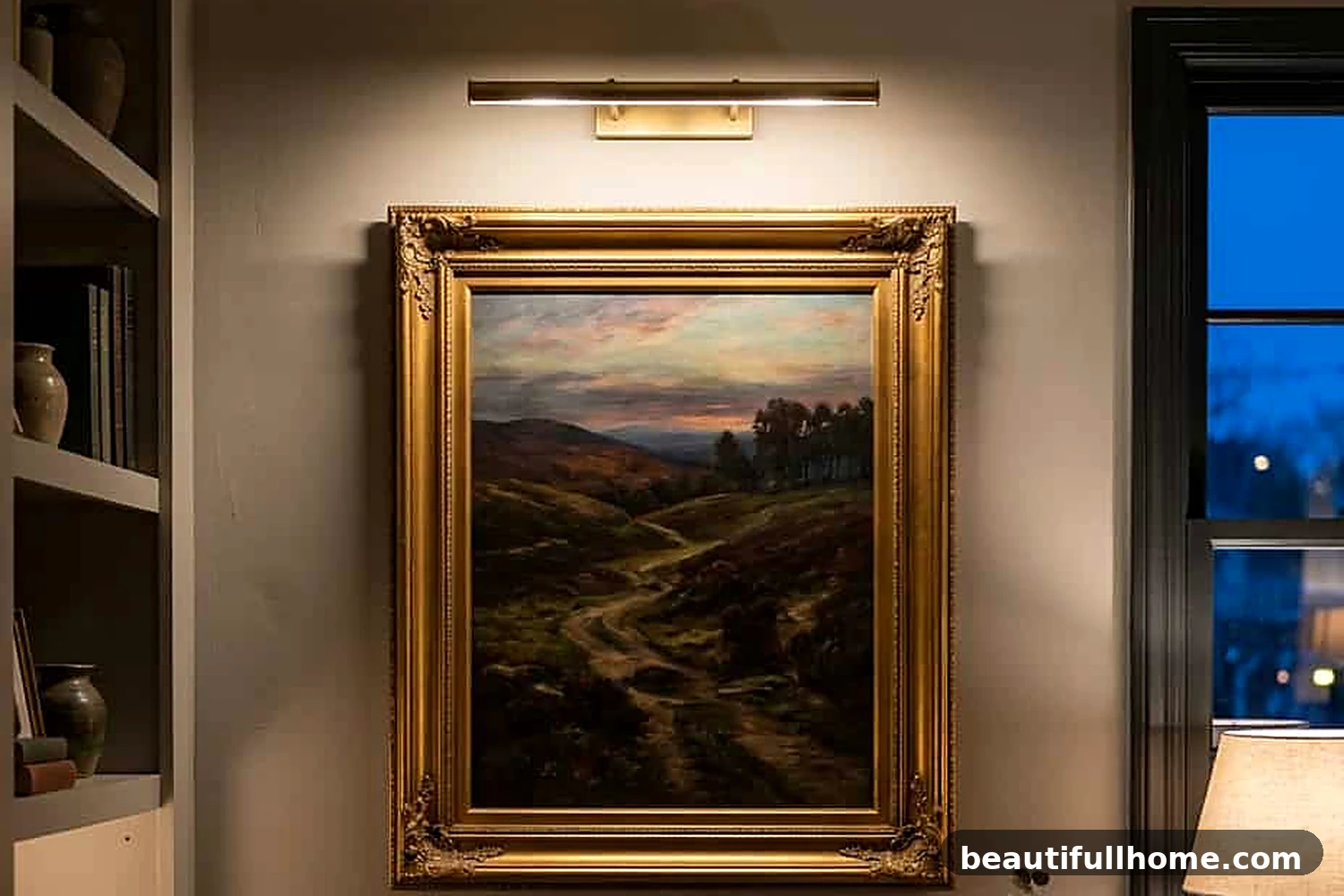
A picture light is the accent layer that draws the eye up and off the room size, because one warm pool of light over a framed print makes the wall feel taller and the room feel finished. Pick a light about half to two-thirds of the frame width, mounted just above the frame, at 2700K, and a battery-powered one needs no wiring at all, which makes it the renter pick. It suits the one good piece of art in the room, not every frame on the wall.
Cost: $30-$80. Watch out: a light wider than the frame looks wrong, and a picture light over a small print in a big frame drowns the art, so match the width to the frame, and keep it to one piece of art per wall.
11. Cordless and rechargeable lamps: light where no outlet reaches
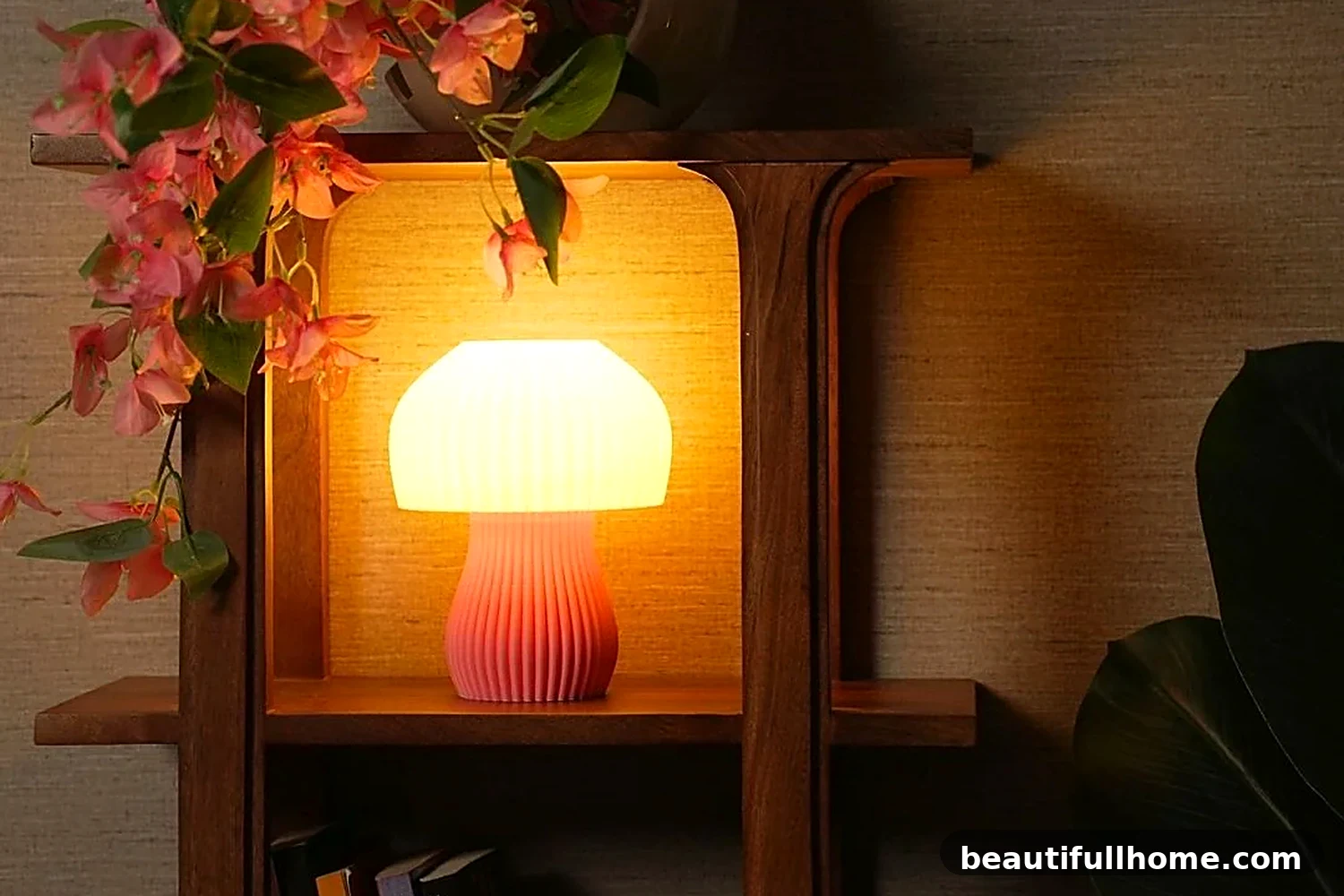
Cordless and rechargeable lamps are the light for the spots no outlet reaches, because a mushroom or mini lamp on a shelf, a windowsill or the coffee table runs on a battery and charges over USB-C, with 3 brightness levels and no cord to hide. One lamp costs $25-$80, it runs 8-10 hours on low, and it suits the shelf that never had a lamp, the windowsill plant corner, and the coffee table centrepiece that a corded lamp would clutter.
Cost: $25-$80 each. Watch out: check the battery life before you buy, because a lamp that dies after 3 hours is a decoration, not a light, and keep the charging cable in one drawer, or the lamp lives dead on the shelf.
12. Dimmers and smart bulbs: one fixture, three moods
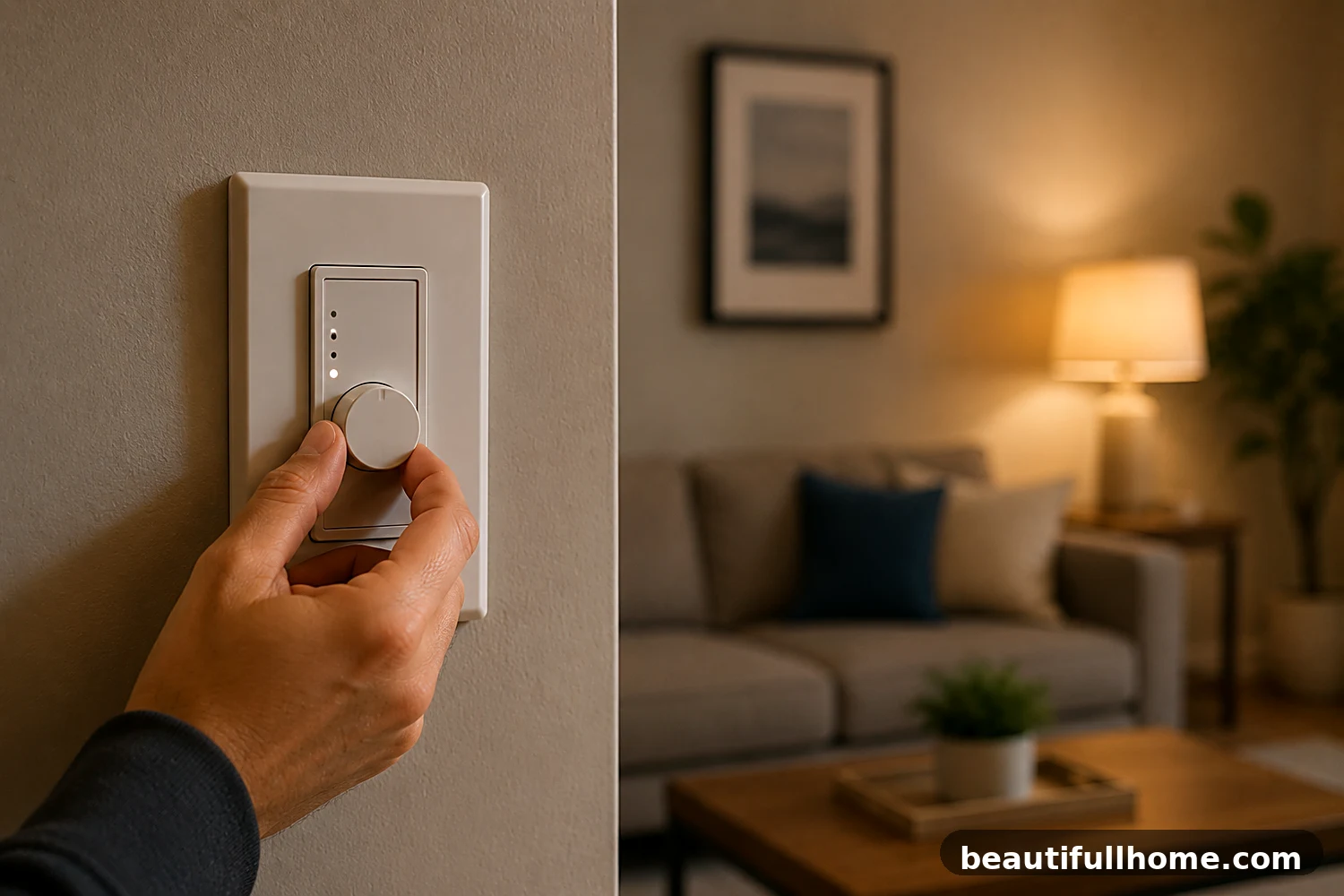
Dimmers and smart bulbs are the cheapest upgrade on this list, because one dimmer switch or three smart bulbs turn a single fixture into three moods: bright for cleaning, warm for the evening, and low for TV. A dimmer switch costs $20-$50, a smart bulb costs $15-$40 each, and three smart bulbs in the ceiling light, the floor lamp and the table lamp give you the whole room from the sofa, on a remote or an app.
Cost: $20-$50 for a dimmer, $15-$40 per smart bulb. Watch out: a dimmer needs dimmable bulbs, because a non-dimmable LED buzzes and flickers on a dimmer, and a smart bulb needs the same Kelvin setting on every bulb in the room, or the moods fight each other.
How many lumens does a small living room need?
A small living room needs 10-20 lumens per square foot, so the math is simple: multiply the room's floor area by 10 for the dim end and by 20 for the bright end, and that range is your lumen budget. A standard LED bulb gives about 800 lumens, which replaces a 60 W incandescent, so divide the budget by 800 and you get the number of bulbs. The table below does the math for the common small-room sizes, and the worked example after it shows a 12×14 ft room.
| Room size | Floor area | Lumens you need | What that means |
|---|---|---|---|
| 10×10 ft | 100 sq ft | 1,000-2,000 | 2 bulbs at 800 lm, or 1 ceiling light plus 1 lamp |
| 10×12 ft | 120 sq ft | 1,200-2,400 | 2-3 bulbs at 800 lm |
| 12×14 ft | 168 sq ft | 1,700-3,400 | 3-4 bulbs at 800 lm across the layers |
| 14×16 ft | 224 sq ft | 2,200-4,500 | 4-5 bulbs at 800 lm, or 3 lamps plus ceiling light |
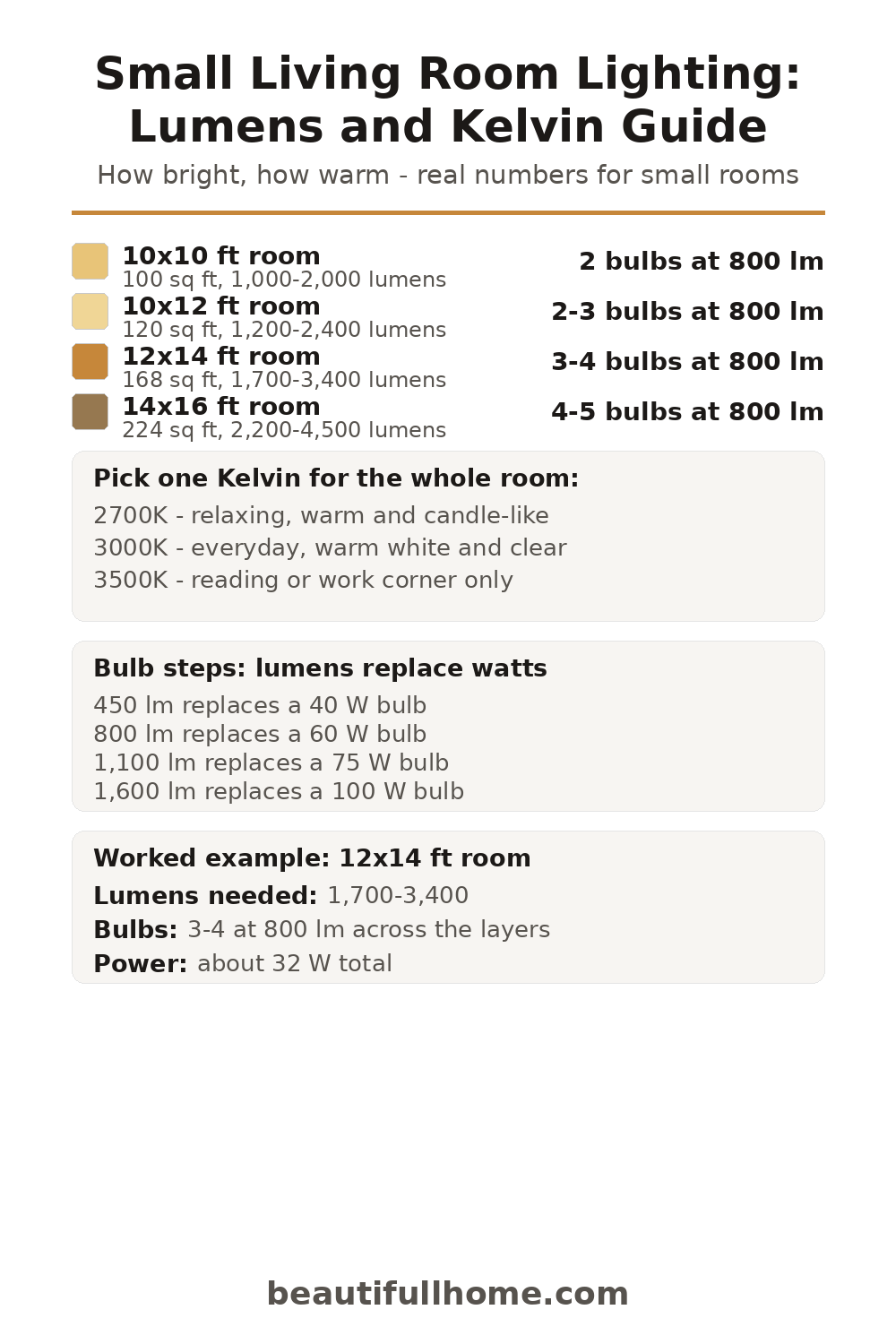
Worked example, 12×14 ft room: the room is 168 sq ft, so 168 times 10 is 1,700 lumens and 168 times 20 is 3,400 lumens. Three to four standard 800-lumen bulbs spread across the layers cover it: one ceiling light at 800 lumens, one floor lamp at 800 lumens, and one or two table lamps at 450-800 lumens each. Four 800-lumen LED bulbs draw about 32 W in total, because LEDs give about 90 lumens per watt. The bulb steps to remember are 450 lumens replaces a 40 W bulb, 800 lumens replaces 60 W, 1,100 lumens replaces 75 W, and 1,600 lumens replaces 100 W.
Which colour temperature should you pick?
Colour temperature is measured in Kelvin, and in a small living room it decides whether the room feels cozy or clinical. Pick one temperature for the whole room, because mixed temperatures look wrong when all the lights sit close together: a 2700K lamp next to a 4000K ceiling light makes the room look patched, and no dimmer fixes it.
| Use | Kelvin | What it feels like |
|---|---|---|
| Relaxing in the evening | 2700K | Warm, candle-like, cozy |
| Everyday living | 3000K | Warm white, clear but still soft |
| Reading or work corner | 3500K | Brighter white, focused |
2700K is the pick for a room built around relaxing, 3000K is the pick for a room that does everything, and 3500K suits one task lamp in a reading or work corner, never the whole room. Never go above 3500K in a living room: 4000K and up is neutral to cool white, and it makes a small cozy room feel like an office. Check the Kelvin number on the bulb box before you buy, because two bulbs labelled warm white can sit 300K apart, and that gap shows in a small room.
What small living room lighting costs
| Item | Typical cost |
|---|---|
| Flush or semi-flush ceiling light | $40-$120 |
| Recessed downlight, each | $30-$60 |
| Pendant over the coffee table | $60-$250 |
| Arc floor lamp | $80-$450 |
| Slim floor lamp | $40-$90 |
| Plug-in sconce, each | $25-$180 |
| Table lamps, pair | $50-$300 |
| LED strip behind the TV | $15-$40 |
| LED strip under shelves | $15-$30 |
| Picture light | $30-$80 |
| Cordless lamp, each | $25-$80 |
| Dimmer switch | $20-$50 |
| Smart bulb, each | $15-$40 |
Three ways to budget the room: under $100 buys LED strips behind the TV and under one shelf, plus one slim floor lamp, which is the refresh in ideas 5, 8 and 9. About $300 buys the three-layer plan, a flush ceiling light, one floor lamp and one table lamp, which is ideas 1, 5 and 7. About $600 buys the ceiling fixture plus the layers, a pendant or arc lamp, sconces and a dimmer, which is ideas 3 or 4, 6 and 12. Start with the under-$100 refresh and add one layer at a time, because every layer makes the room feel bigger, and the order matters less than having all three layers in the end.
No ceiling light? The no-drill renter plan
A small living room with no ceiling light and a lease that forbids holes still gets full lighting, because the whole plan runs on plugs, batteries and adhesive. One arc floor lamp over the sofa gives you the overhead layer, two plug-in sconces beside the sofa give you the eye-level layer, one table lamp on the side table gives you the reading layer, and LED strips behind the TV and under one shelf give you the accent layer. Cordless lamps fill the shelf and the windowsill where no outlet reaches, and a battery picture light over the one good print finishes the wall. Nothing in the plan needs wiring, nothing needs a hole, and the strips peel off clean when you move.
The plan costs about $200-$400 in total: an arc lamp at $80-$150, two plug-in sconces at $25-$60 each, one table lamp at $25-$50, two LED strips at $15-$30 each, and one cordless lamp at $25-$50. Buy the arc lamp first, because it is the only piece that replaces the missing ceiling light, then add the sconces, then the strips. If you rent, check the ideas in our Small Apartment Living Room Ideas: 15 Rental-Friendly Ways guide, which covers deposit-safe decorating for the whole room, and always check the lease first, and keep the original fittings photographed before you start.
Lighting mistakes that make a small room feel smaller
- One bare overhead bulb: a single exposed bulb throws hard shadows in the corners and makes the room feel smaller, so add a floor lamp and a table lamp, and the shadows go.
- Cool white in a cozy room: a 4000K bulb in a living room feels clinical, so keep every bulb at 2700-3000K, and check the box before you buy.
- Light facing the TV: a lamp or a ceiling light that shines straight at the screen glares, so put the light behind the TV or to the side, never opposite it.
- A lamp too small for its table: a tiny lamp on a wide side table disappears, and a tall lamp on a small table topples, so keep the lamp 24-30 in tall and no more than 1.5 times the table height.
- All the lights at one height: three lamps at the same height give you one flat layer, so spread the sources low, at eye level and high, and the room gains depth.
Which lighting idea should you pick? A quick chooser
- Your ceilings are under 8 ft: flush mount, recessed cans, sconces, no pendant.
- Your room has no ceiling light: arc lamp, plug-in sconces, table lamp, LED strips.
- Your room is dark: slim uplight in the corner, warm white walls, 3000K bulbs.
- You rent: plug-in sconces, battery picture light, cordless lamps, adhesive LED strips.
- Your room is built around the TV: LED strip behind the TV, dimmer, no light facing the screen.
- You want a reading corner: swing-arm sconce, 3500K bulb, shade lower edge 38-42 in from the floor.
- Your budget is under $100: LED strips and one slim floor lamp.
- You want the biggest change for the money: one ceiling light, one floor lamp, one table lamp.
FAQs
How many lumens does a small living room need?
A small living room needs 10-20 lumens per square foot, so multiply the floor area by 10 for the dim end and by 20 for the bright end. A 12×14 ft room is 168 sq ft, so it needs about 1,700-3,400 lumens, which is 3-4 standard 800-lumen bulbs spread across the layers: one ceiling light, one floor lamp and one or two table lamps.
What colour temperature is best for a small living room?
2700-3000K warm white is the best colour temperature for a small living room. 2700K suits a room built around relaxing, 3000K suits a room that does everything, and 3500K suits one task lamp in a reading or work corner. Never mix temperatures in one room, and never go above 3500K, because 4000K and up makes a cozy room feel like an office.
How do I light a small living room with no ceiling light?
Use 3-5 sources at different heights: one arc floor lamp over the sofa for the overhead layer, plug-in sconces beside the sofa for eye-level light, a table lamp for reading, and LED strips behind the TV and under a shelf for accent light. Every piece plugs in or runs on a battery, so no wiring is needed, and the whole plan costs about $200-$400.
What size ceiling light fits a small living room?
A flush or semi-flush mount about 12-18 in in diameter fits a 12×14 ft room. A pendant over the coffee table should be about half to two-thirds of the table width, so a 42 in table takes a 21-28 in pendant, hung with the bottom at 7 ft from the floor, never lower. If the ceiling is under 8 ft, skip the pendant and use a flush mount or recessed cans.
Are LED strips good for a small living room?
Yes, because they add a whole layer of light without taking any floor or table space. Stick a warm 2700K strip behind the TV as a bias light, under shelves, or behind the console, and hide the strip behind a lip or pick one with a diffuser, so the dots of light never show. One strip costs $15-$30 and peels off clean, which makes it the renter pick too.
Conclusion
These small living room lighting ideas work when you light in layers instead of buying one brighter bulb: one ceiling light or a few recessed cans for the room, one floor or table lamp for reading, and one accent like an LED strip or a picture light for the finish. All of these ideas use real sizes, real lumens and real costs, so pick the pieces that fit your room: a flush mount and a floor lamp for the biggest change, LED strips and a dimmer for the cheapest refresh, and an arc lamp and plug-in sconces if the room has no ceiling light at all. Then spend the money where it shows: the ceiling fixture, the reading lamp, and the dimmer that turns one fixture into three moods.
If you want more ideas for the same room, read our guides Small Apartment Living Room Ideas: 15 Rental-Friendly Ways, Small Living Room Layout: 7 Layouts With Measurements, Small Living Room Paint Ideas: 12 Colors That Work, Very Small Living and Dining Room Ideas: 12 Layouts and Small Living Room Ideas With TV: 12 Smart Layouts. Each one covers a different piece of the same room, so you can plan the sofa, the layout, the paint, the TV and the lighting together.