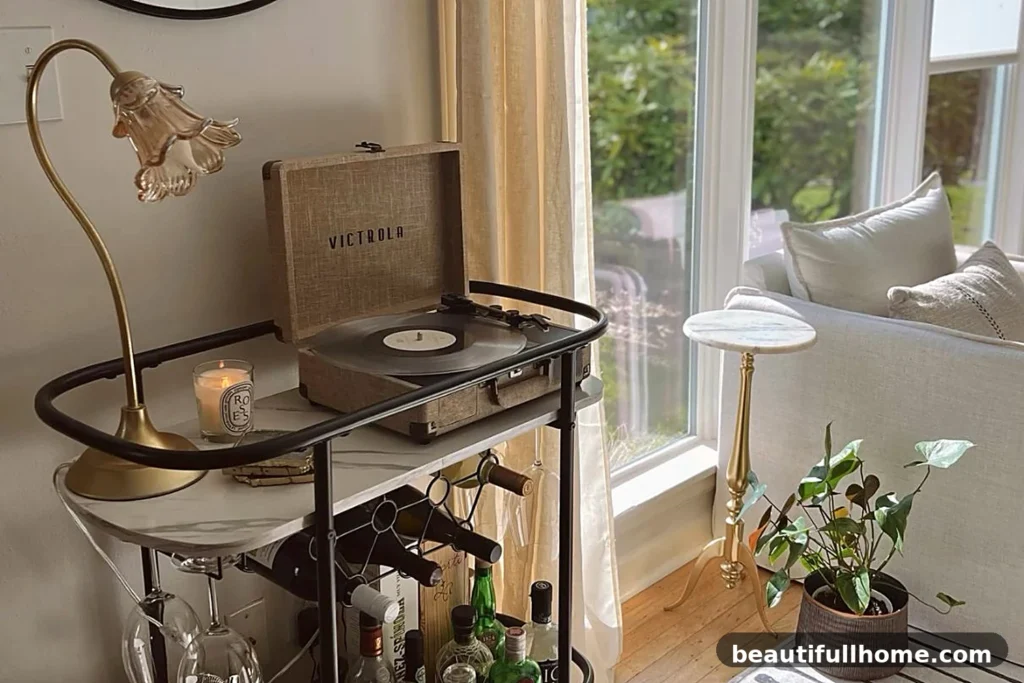
Small Living Room Bar Ideas: 10 Stylish Setups
Quick Answer: How Do You Add a Bar to a Small Living Room?
You can add a bar to a small living room without sacrificing valuable floor space. Start with a narrow bar cart, a slim console table, floating shelves, or a small cabinet. Choose a setup between 12 and 18 inches deep whenever possible. Place it against an unused wall, in an empty corner, or beside the sofa. Keep at least 30 to 36 inches of clear walking space around the main seating area. A small bar can cost under $100, while larger built-in options may cost $300 or more.
1. What Are the Best Small Living Room Bar Ideas?
A small living room does not need a dedicated bar room. You can turn an unused corner, narrow wall, or furniture surface into a functional drink station.
The key is choosing furniture that fits your available space. Look for compact designs with vertical storage, concealed compartments, and useful surfaces.
Here are 10 practical ideas, including their typical dimensions, estimated budgets, and suitability for renters.
1. Use a Compact Bar Cart
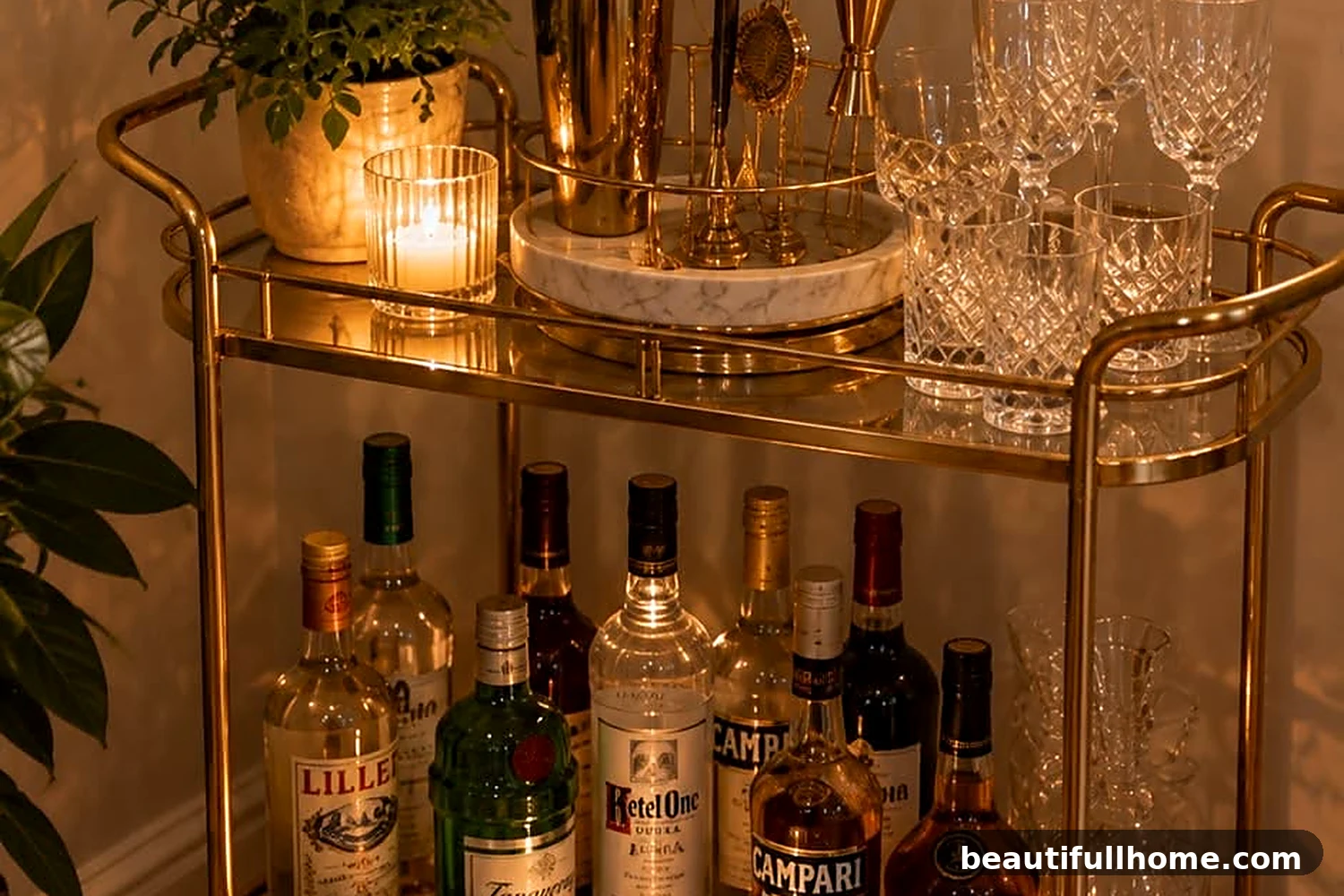
A bar cart is one of the easiest ways to add a drink station to a small living room. It requires no permanent installation and can move whenever you need extra floor space.
Choose a two-tier cart with locking wheels. Store bottles on the lower shelf and glasses on the upper shelf.
Recommended dimensions:
Width: 24-32 inches
Depth: 14-18 inches
Height: 30-36 inches
Estimated budget: $60-$180
Best placement: Beside the sofa, near an unused wall, or in an empty corner.
Renter suitability: Excellent. Most bar carts require no drilling or permanent changes.
A metal or wood cart with slim frames works particularly well in apartments. Avoid oversized designs that block the natural walking path.
2. Create a Bar Using a Console Table
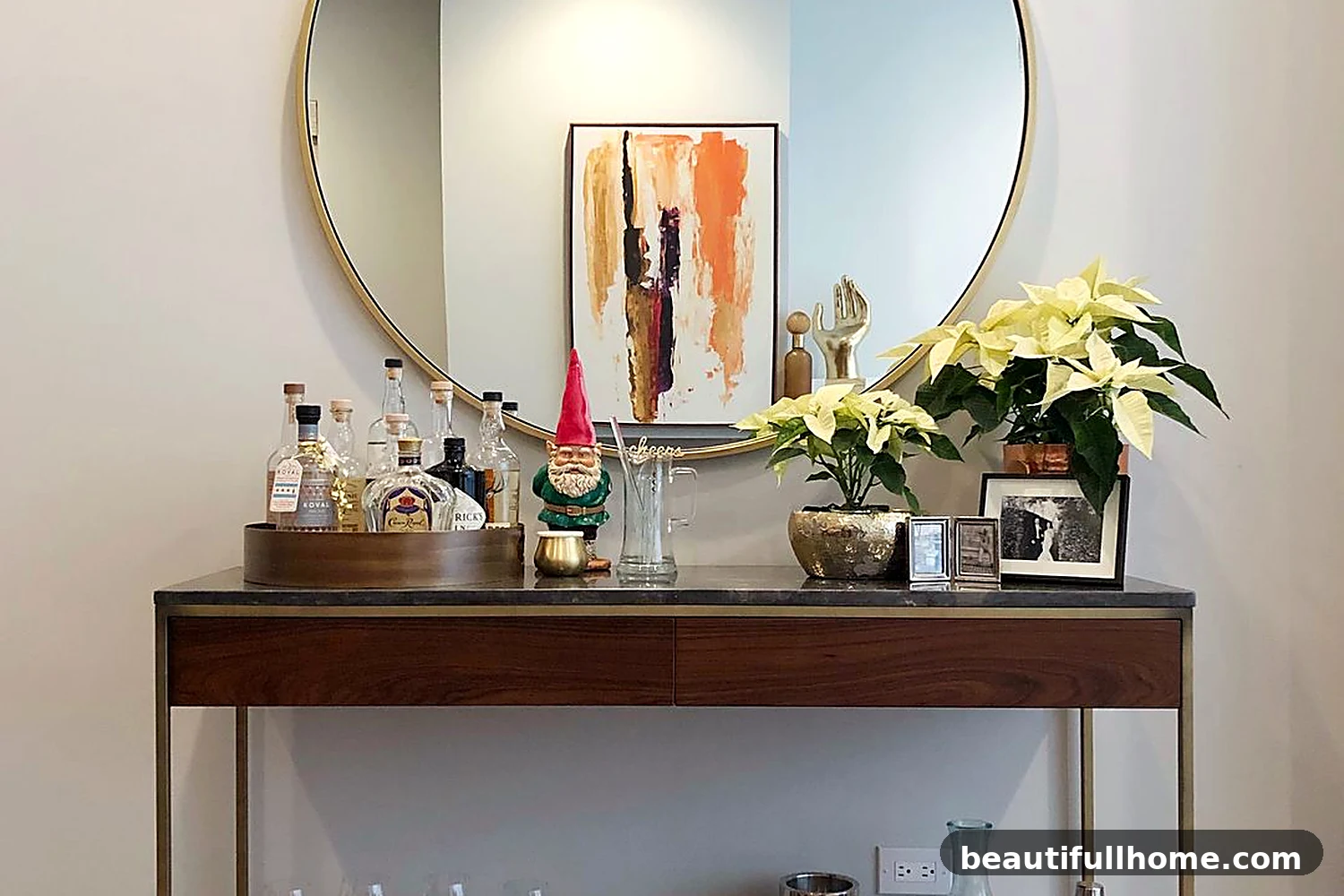
A narrow console table can double as a stylish living room bar. It also provides additional space for decorative objects, lamps, and serving accessories.
Choose a table with drawers or a lower shelf. Place a decorative tray on top to organize bottles and glasses.
Recommended dimensions:
Width: 36-48 inches
Depth: 12-16 inches
Height: 30-34 inches
Estimated budget: $100-$250
Best placement: Against an empty wall, behind a sofa, or near the living room entrance.
Renter suitability: Excellent. Freestanding console tables do not require permanent installation.
For a cohesive appearance, match the table finish with your existing coffee table or TV console. This helps the bar feel like part of the original furniture arrangement.
3. Install Floating Shelves for a Wall Bar
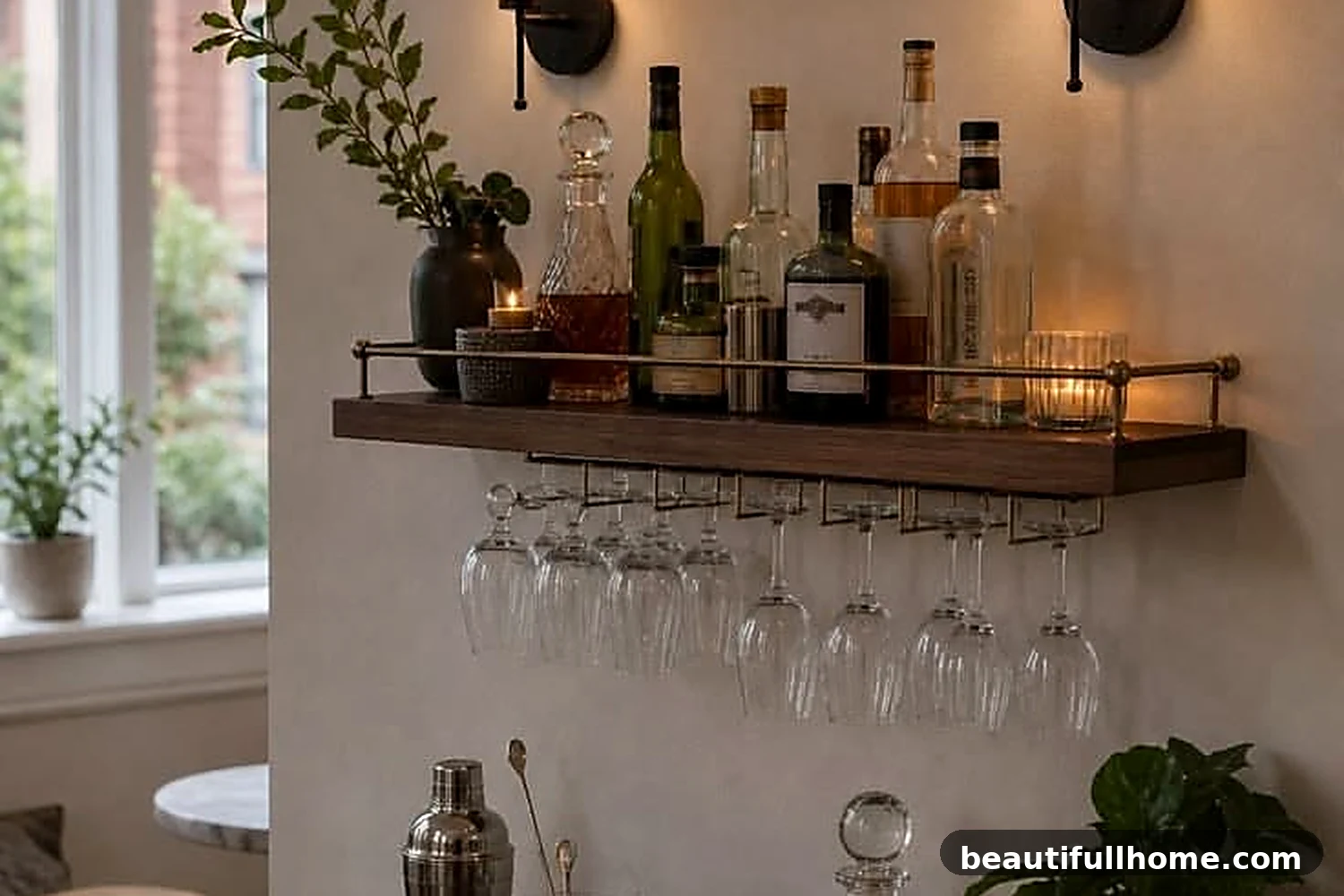
Floating shelves are ideal when your living room has limited floor space. They use vertical wall space instead of adding another piece of furniture.
Install two or three shelves at different heights. Use the lower shelf for glasses and the upper shelves for bottles and decorative accessories.
Recommended dimensions:
Width: 24-36 inches
Depth: 8-12 inches
Individual shelf thickness: 1.5-2.5 inches
Estimated budget: $50-$150
Best placement: Above a narrow cabinet, beside a dining area, or on an unused wall.
Renter suitability: Moderate to poor. Standard shelves require drilling, although removable adhesive products may work for lightweight decorative items.
Important: Do not rely on adhesive strips for heavy bottles or glassware unless the manufacturer specifically rates the system for that load. Use properly installed wall anchors or studs for heavier storage.
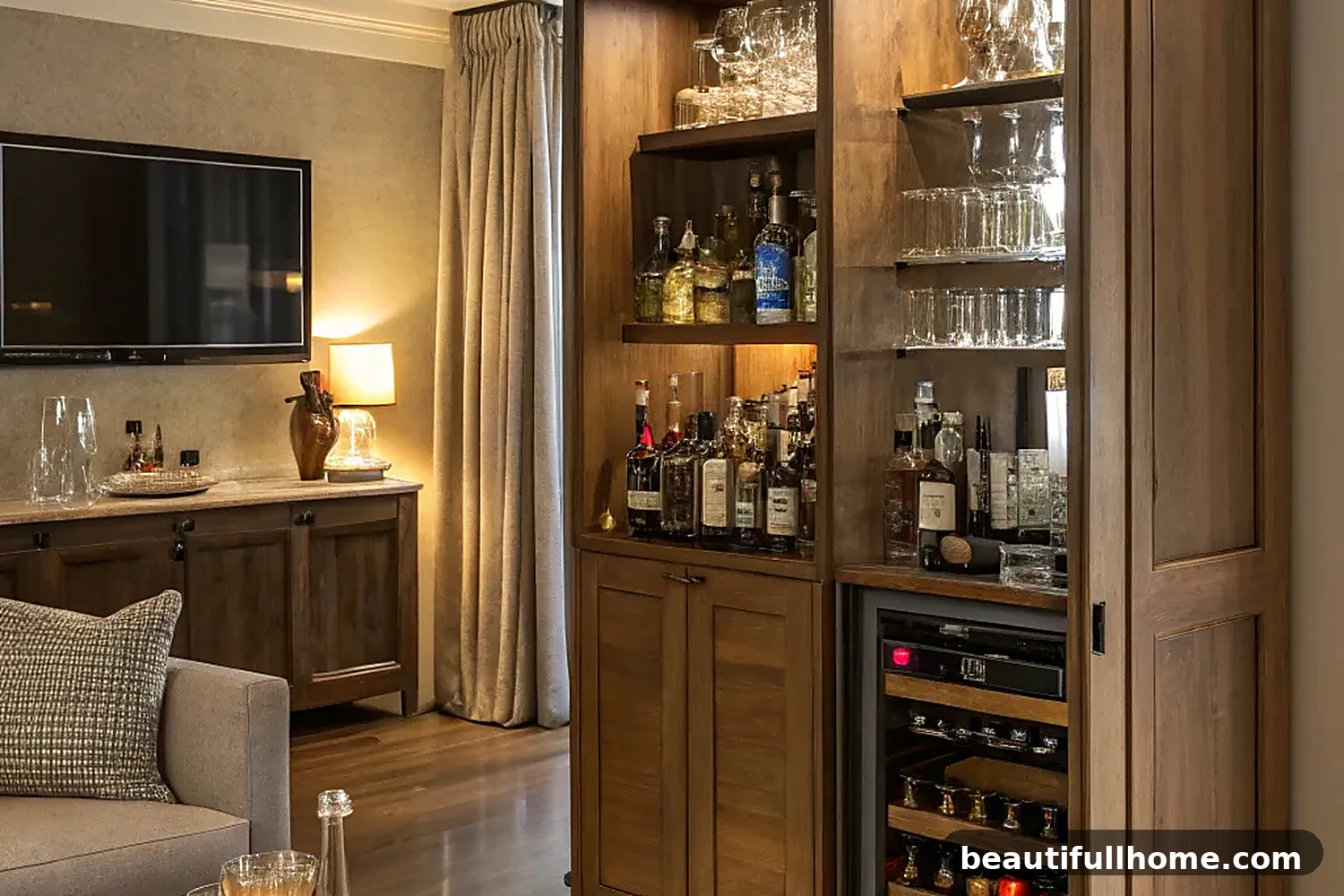
4. Turn a Small Cabinet Into a Hidden Bar
A hidden bar is an excellent option if you prefer a clean living room without visible bottles.
Use a small cabinet with doors to store everything behind a neat exterior. Open it when entertaining and close it when the gathering ends.
Recommended dimensions:
Width: 24-36 inches
Depth: 14-18 inches
Height: 30-40 inches
Estimated budget: $150-$350
Best placement: Against a wall, beside a TV unit, or near the kitchen opening.
Renter suitability: Excellent for freestanding cabinets. Avoid wall-mounted versions if you cannot make permanent changes.
Look for adjustable shelves and internal compartments. These make it easier to store different bottle heights, cocktail tools, and glassware.
5. Style a Bar Tray on Your Existing Furniture
You do not always need dedicated bar furniture. A decorative tray can transform an existing console, sideboard, or sturdy side table into a compact drink station.
This is one of the cheapest ways to create a small living room bar.
Recommended dimensions:
Width: 16-24 inches
Depth: 10-16 inches
Height: Depends on existing furniture, usually 18-34 inches
Estimated budget: $20-$75
Best placement: On a side table, console table, or sturdy coffee table.
Renter suitability: Excellent. No drilling or permanent installation is required.
Choose a tray with raised edges to prevent bottles and accessories from sliding. Keep only three or four frequently used items on display.
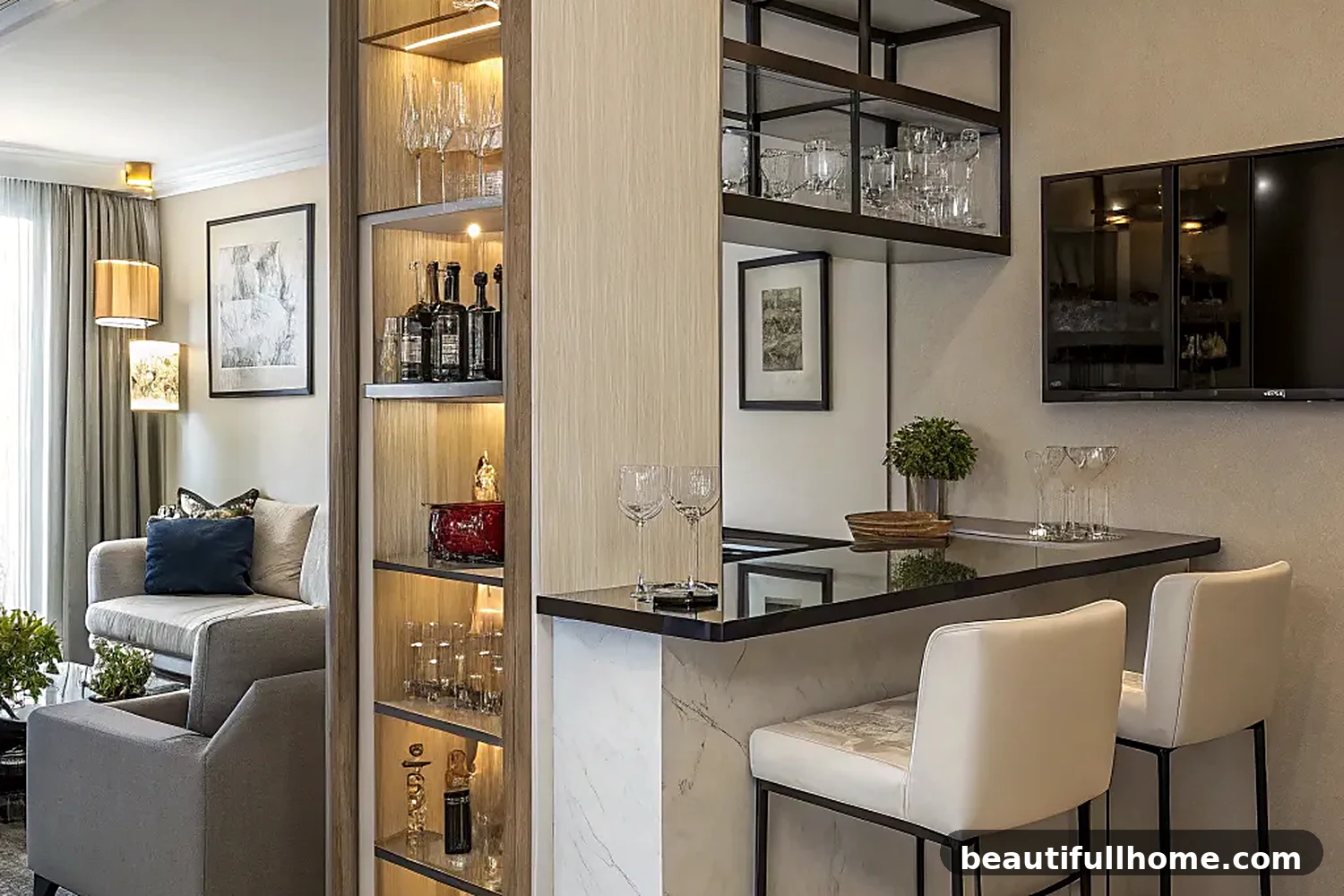
6. Build a Small Corner Bar
An unused corner can become a functional drink station with a compact corner cabinet or triangular shelving unit.
Look for furniture that fits naturally into the corner without interfering with nearby seating.
Recommended dimensions:
Width: 24-32 inches along each wall
Depth: 12-18 inches
Height: 30-40 inches
Estimated budget: $100-$300
Best placement: Behind a sectional sofa or in an unused living room corner.
Renter suitability: Excellent for freestanding furniture. Fixed corner shelving is less suitable for renters.
A corner bar works especially well in square living rooms. Add a small lamp or framed artwork above it to create a dedicated feature without using additional floor space.
7. Use a Slim Sideboard as a Beverage Station
A slim sideboard provides more storage than a traditional bar cart. It is useful when you want to keep bottles, glasses, serving accessories, and other items organized.
Choose a design with closed doors and a relatively shallow body.
Recommended dimensions:
Width: 36-48 inches
Depth: 12-16 inches
Height: 30-36 inches
Estimated budget: $180-$400
Best placement: Against a long wall or near the kitchen opening.
Renter suitability: Excellent for freestanding models. No permanent installation is necessary.
Use the top surface for a drink tray and a small decorative lamp. Keep larger bottles and less attractive accessories inside.
8. Create a Bar Inside a Closet
A spare closet or unused storage cupboard can become a surprisingly useful hidden bar.
Install removable organizers or use freestanding shelves inside the closet. Add a small countertop if enough space is available.
Recommended dimensions:
Width: 24-36 inches
Depth: 16-24 inches
Height: 60-84 inches for the available vertical space
Estimated budget: $100-$350
Best placement: Inside an existing living room closet or unused storage alcove.
Renter suitability: Excellent with removable organizers and freestanding furniture. Fixed shelving may require landlord approval.
This setup is particularly useful for households that prefer a minimalist living room. You can close the doors and keep the entire beverage station out of sight.
9. Add a Narrow Bar Cabinet Beside the Sofa
A narrow bar cabinet can fill the space between a sofa and a wall. It provides storage without requiring a separate furniture arrangement.
Choose a cabinet with a compact footprint and enough internal height for standard bottles.
Recommended dimensions:
Width: 18-30 inches
Depth: 12-16 inches
Height: 30-40 inches
Estimated budget: $120-$300
Best placement: Beside the sofa or at the end of a sectional.
Renter suitability: Excellent for freestanding cabinets.
Keep the top surface simple. A small tray, two glasses, and a decorative object are usually enough.
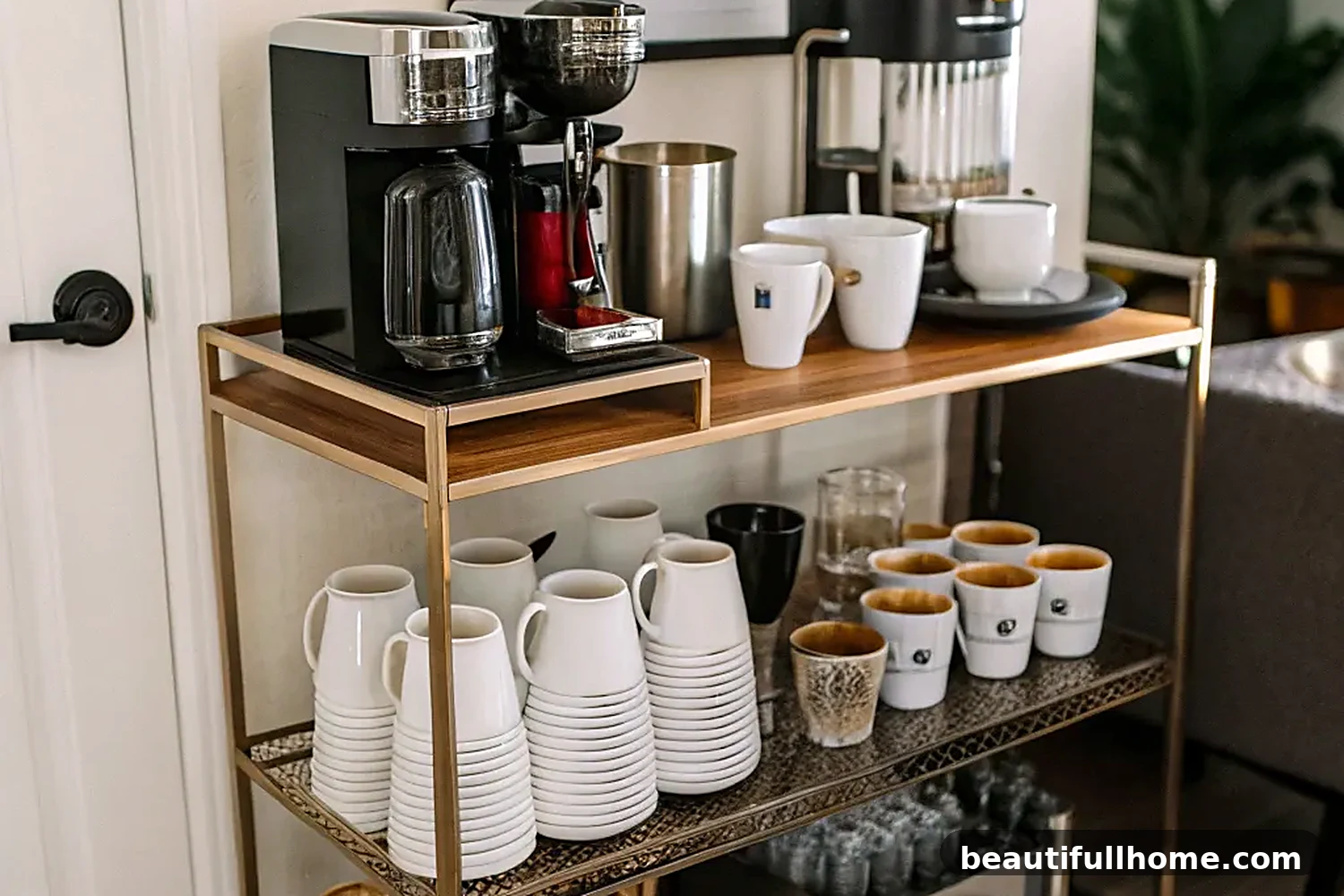
10. Create a Coffee and Non-Alcoholic Beverage Bar
A living room bar does not have to serve alcoholic drinks. You can create a coffee station, tea corner, or non-alcoholic beverage setup instead.
Use a small cabinet or cart to organize coffee equipment, mugs, tea bags, syrups, and reusable cups.
Recommended dimensions:
Width: 24-36 inches
Depth: 14-18 inches
Height: 30-36 inches
Estimated budget: $75-$250
Best placement: Near the kitchen opening or against a wall with access to a suitable electrical outlet.
Renter suitability: Excellent for freestanding furniture. Avoid permanent electrical modifications.
A compact coffee maker can sit on the upper surface. Store coffee supplies and extra mugs underneath.
For safety, place hot appliances on stable, heat-resistant surfaces. Keep electrical cords away from walkways and water.
2. Where Should You Put a Bar in a Small Living Room?
Placement matters as much as furniture size. A beautiful bar can make a room uncomfortable if it blocks movement or crowds the seating arrangement.
Before buying anything, measure your available wall space and identify the main walking routes.
Here are four practical placement options.
Against an Unused Wall
An empty wall is usually the easiest location for a small living room bar.
A narrow console table or cabinet can sit against the wall without interrupting the seating arrangement.
Space recommendations:
Bar depth: 12-18 inches
Walking clearance: 30-36 inches
Wall width: 30-48 inches for most compact setups
This arrangement works well for console bars, sideboards, and floating shelves.
In an Empty Corner
Corners are useful when the main walls already contain furniture.
A small corner cabinet or compact bar cart can use space that might otherwise remain empty.
Space recommendations:
Furniture width: 24-32 inches
Furniture depth: 12-18 inches
Main walkway: 30-36 inches
Avoid placing the bar where an open door, window, or sectional sofa makes access difficult.
Beside the Sofa
The area beside a sofa can accommodate a small bar cart or narrow cabinet.
This location makes drinks accessible without requiring guests to cross the entire room.
Space recommendations:
Bar width: 18-30 inches
Bar depth: 12-16 inches
Height: 28-36 inches
Make sure the setup does not interfere with the sofa's armrest or the natural path between seating and other rooms.
Near the Kitchen Opening
If your living room connects to the kitchen, consider placing the bar close to the opening.
This makes it easier to refill drinks, wash glasses, and access additional supplies.
Space recommendations:
Bar width: 24-36 inches
Bar depth: 14-18 inches
Walking clearance: 30-36 inches
Avoid placing furniture directly in the kitchen entrance. Keep the main route open, especially in narrow apartments.
Important measurement tip: The 30-36 inch clearance is a practical planning target for a comfortable walkway, not a universal building-code requirement. Measure from the outermost edge of the furniture.
3. How Much Does a Small Living Room Bar Cost?
Your budget depends on the furniture, materials, storage features, and installation requirements.
You can create a useful beverage station without buying expensive furniture.
Here is a practical breakdown of typical US price ranges.
Under $100: Simple and Affordable
A small budget can still produce an attractive bar setup.
What you can get:
Basic metal or wooden bar cart
Decorative bar tray
Small countertop organizer
Two or three floating shelves
Basic glassware and accessories
Typical budget: $20-$100
This tier works best for renters, first apartments, and people who want a simple drink station.
$100-$300: Stylish and Functional
This budget provides more furniture choices and better storage options.
What you can get:
Mid-range bar cart
Narrow console table
Small beverage cabinet
Decorative lighting
Better-quality trays and glassware
Basic storage organizers
Typical budget: $100-$300
This is a practical range for most small living rooms. You can combine functional storage with attractive styling without purchasing custom furniture.
$300+: Premium and Custom Designs
A larger budget allows you to create a more permanent and integrated bar area.
What you can get:
Premium wooden bar cabinets
Custom-built beverage stations
High-quality sideboards
Built-in shelving
Decorative backsplashes
Integrated lighting
Dedicated coffee equipment
Typical budget: $300-$800+, depending on materials and installation.
Custom cabinetry, electrical work, and premium finishes can increase the total considerably.
Prices are approximate US retail estimates, not fixed quotations. Actual costs vary by retailer, materials, brand, and location.

4. Which Small Living Room Bars Are Best for Renters?
Renters often need furniture that does not require drilling, permanent installation, or changes to the walls.
The good news is that several bar designs work perfectly well without renovations.
Here is how the 10 ideas compare.
| Bar idea | Renter suitability | Installation |
|---|---|---|
| Compact bar cart | Excellent | No-drill |
| Console table bar | Excellent | Freestanding |
| Floating shelves | Moderate to poor | Fixed or removable, depending on system |
| Hidden bar cabinet | Excellent | Freestanding |
| Bar tray setup | Excellent | No-drill |
| Corner bar | Excellent | Freestanding |
| Slim sideboard | Excellent | Freestanding |
| Closet bar | Excellent | Removable organizers |
| Narrow sofa-side cabinet | Excellent | Freestanding |
| Coffee beverage bar | Excellent | Freestanding |
For renters, prioritize furniture that can move easily and does not depend on permanent wall attachments.
If you use tall cabinets, secure them against tipping using an approved method. Ask your landlord before drilling or making permanent changes.
5. What Should You Store on a Small Living Room Bar?
A small bar should be useful without looking overcrowded.
You do not need dozens of bottles, different glass styles, and expensive equipment. Start with the essentials.
Bottles and Beverages
Choose only the drinks you regularly serve.
For an alcoholic beverage setup, you might store:
Two or three frequently used bottles
One bottle of sparkling water
A mixer or two
A small selection of non-alcoholic drinks
Store heavier bottles on lower shelves to improve stability.
Glassware
You do not need a large glass collection.
Start with:
Two to four everyday drinking glasses
Two wine glasses, if needed
Two short cocktail glasses
Two mugs for coffee or tea
Use stackable glassware when possible. Avoid overcrowding shelves with fragile items.
Bar Tools and Accessories
Keep your essential tools together in one small container.
Useful accessories include:
Bottle opener
Corkscrew
Cocktail shaker
Jigger
Small serving tongs
Coasters
Cocktail napkins
Choose tools according to the drinks you actually prepare.
How Can You Keep Everything Organized?
Use these simple storage techniques:
Group similar bottles together instead of spreading them across the surface.
Place frequently used glasses on an accessible shelf.
Use a small tray to contain bottles and accessories.
Keep heavier items on lower shelves.
Store rarely used equipment inside drawers or cabinets.
Use small baskets for napkins, tools, and coffee supplies.
Leave some empty surface space for serving drinks.
A good rule is to keep the visible countertop approximately one-third empty. This creates a cleaner appearance and gives you room to prepare drinks.
6. How Can You Style a Small Living Room Bar?
The best bar designs complement the rest of the living room rather than looking like separate furniture installations.
Use these styling ideas to create a coordinated appearance.
Match Your Existing Furniture
Choose finishes that complement your sofa, coffee table, TV console, or flooring.
For example, a light oak bar cart can work beautifully with beige upholstery and neutral interiors.
Use Lighting Carefully
A small table lamp or warm LED lighting can make a bar feel more inviting.
For floating shelves, consider discreet under-shelf lighting. Make sure electrical cords are safely managed.
Add a Mirror or Artwork
A mirror above a console bar can make a small area feel more open.
Alternatively, use one framed artwork to create a visual focal point without filling the wall with decorations.
Keep Decorations Minimal
A few carefully selected accessories usually look better than a crowded display.
Consider:
One decorative vase
A small plant
A serving tray
Two attractive glasses
A framed print
Choose accessories that fit the available surface rather than competing for attention.
7. What Are Common Mistakes to Avoid When Creating a Small Bar?
Even a well-designed bar can become inconvenient if you overlook a few practical details.
Avoid these common mistakes:
Buying furniture that is too deep: Large cabinets can consume valuable floor space. Measure your room before purchasing.
Blocking the walkway: Keep approximately 30-36 inches of clear walking space wherever possible.
Overloading floating shelves: Check the manufacturer's weight limits and use appropriate wall anchors.
Displaying too many bottles: A small selection creates a cleaner and more organized appearance.
Ignoring electrical access: Coffee machines and beverage appliances need safe, convenient power access.
Choosing furniture without storage: A beautiful bar is less useful if there is nowhere to keep glasses, tools, and accessories.
Ignoring stability: Lock the wheels on bar carts and keep heavy items low. Secure tall cabinets against tipping.
8. Frequently Asked Questions
1. What Is the Smallest Space Needed for a Living Room Bar?
A compact bar tray can fit on an existing table with approximately 16-24 inches of width. A small freestanding bar cart usually needs around 24-32 inches of width and 14-18 inches of depth. Measure the surrounding walkway before choosing a location.
2. How Much Does It Cost to Build a Small Living Room Bar?
A basic setup can cost around $20-$100 using a tray, organizers, or an affordable cart. Mid-range setups generally cost $100-$300. Premium cabinets and custom installations can exceed $300.
3. Can I Create a Living Room Bar Without Drilling Holes?
Yes. Choose a freestanding bar cart, console table, sideboard, cabinet, or decorative tray. These options require no permanent wall installation and are particularly suitable for rental apartments.
4. Where Is the Best Place for a Bar in a Small Living Room?
An unused wall or corner is usually the best location. You can also place a narrow bar beside the sofa or near the kitchen opening. Keep approximately 30-36 inches of clear walkway space wherever possible.
5. Can I Use a Small Living Room Bar for Coffee and Non-Alcoholic Drinks?
Absolutely. A compact beverage station can hold a coffee maker, mugs, tea, syrups, sparkling water, and other drinks. Choose furniture with a stable surface, accessible electrical outlets, and enough storage for everyday supplies.
Conclusion
A small living room can accommodate a stylish and functional bar without requiring a separate room or expensive renovation.
Start by measuring your available space and identifying an appropriate location. Then choose between a bar cart, console table, floating shelves, hidden cabinet, or simple tray setup.
Keep the furniture compact, maintain comfortable walking clearance, and organize your everyday essentials.
The best small living room bar is one that fits your lifestyle, complements your existing furniture, and makes entertaining easier without making the room feel crowded.